Jul 6, 2026Buying Guides
Film Backing vs Paper Backing Sanding Discs: Which One Should You Choose?
Compare film-backed and paper-backed sanding discs for durability, scratch consistency, flexibility, cost and automotive refinishing applications.
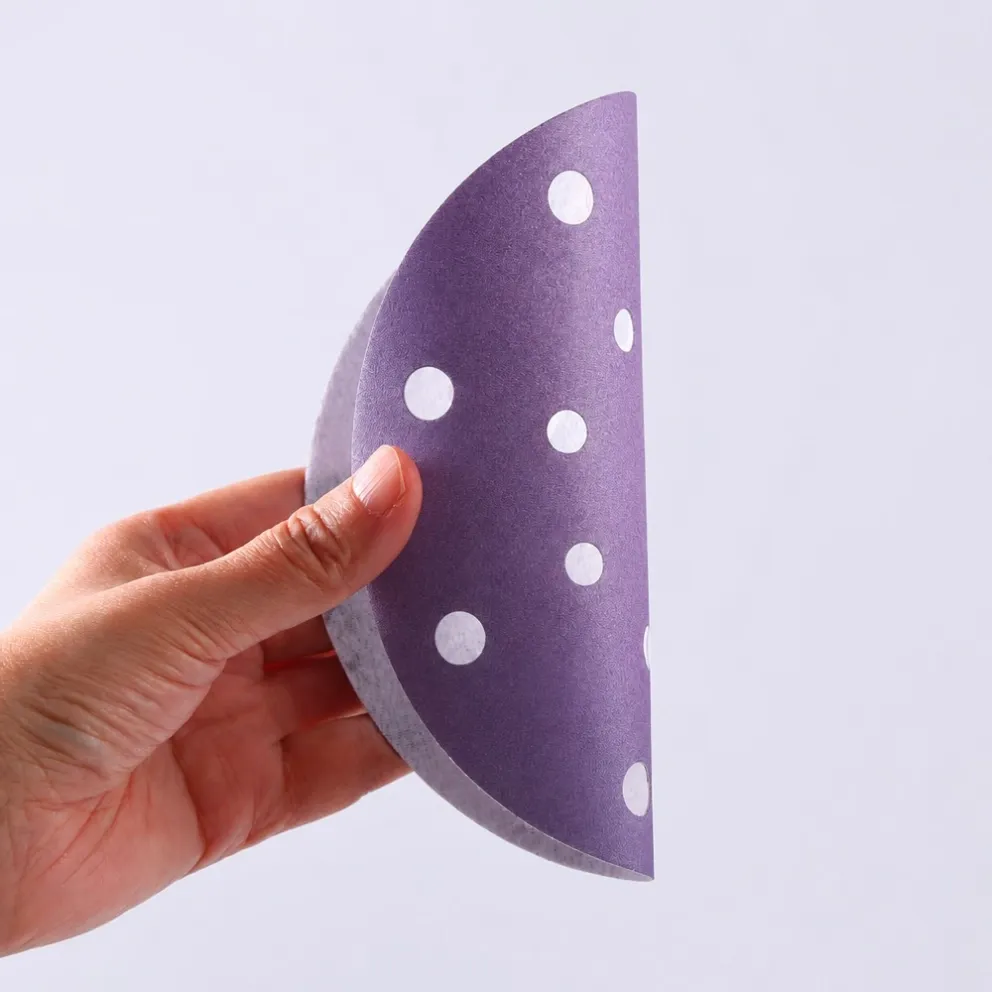
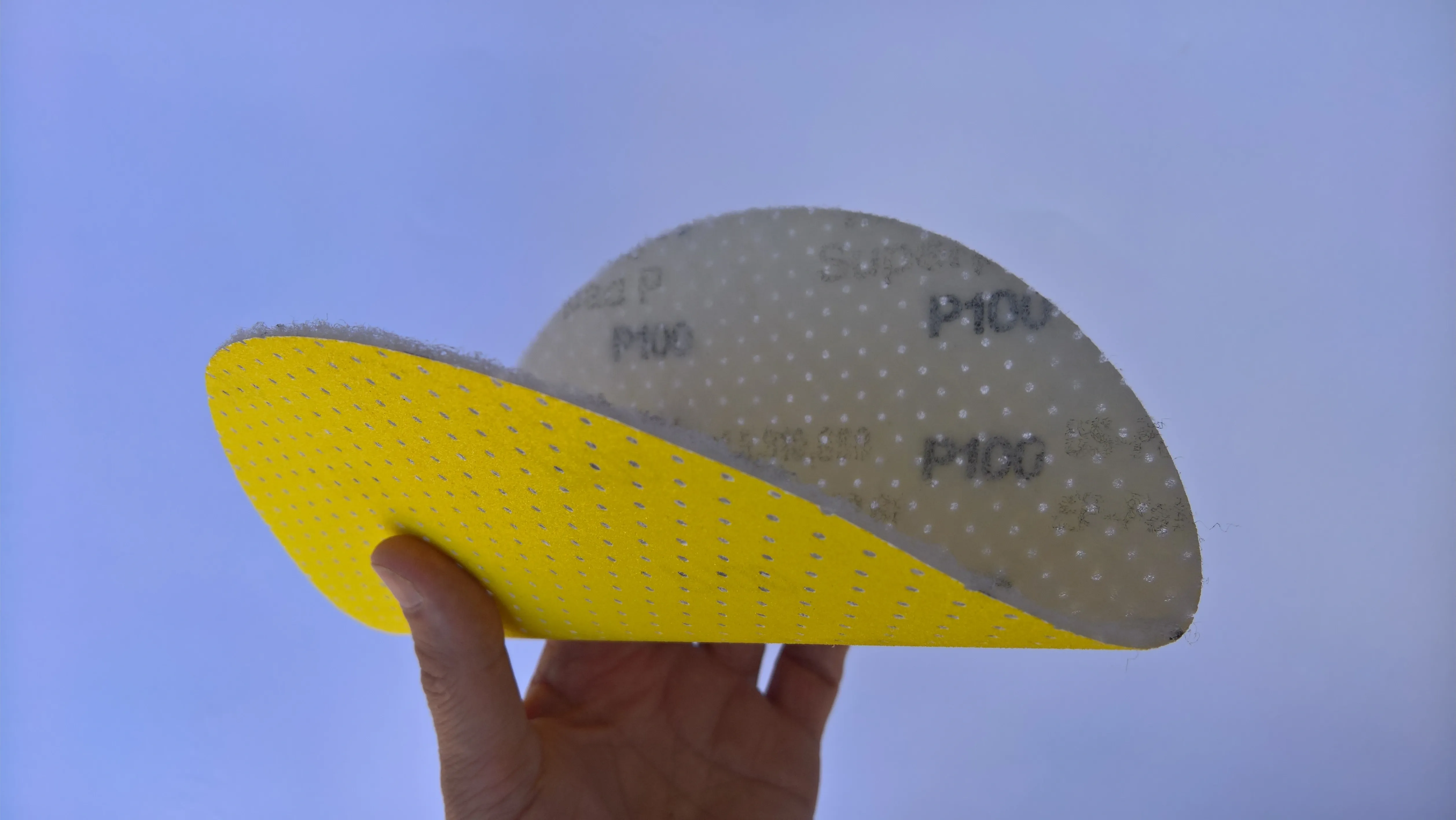
Film-backed and paper-backed sanding discs can both perform well, but they behave differently under pressure, moisture, heat and fine finishing requirements.
Film Backing
Film backing is dimensionally stable and uniform. It is useful where a consistent scratch pattern, fine grit sanding and precise surface control are important, especially in automotive refinishing and clear-coat defect repair.
Paper Backing
Paper backing is widely used because it is economical, flexible and available in many grades. It is suitable for general sanding, woodworking, primer leveling and many dry sanding applications.
How To Choose
- Choose film for fine finishing, consistent scratch depth and wet/dry precision work where the product is designed for it.
- Choose paper for cost-controlled general sanding and applications that do not need the extra stability of film.
- Consider dust extraction, coating, grain type and backing pad condition before blaming backing material alone.
Buyer Test
Compare the discs by sanding the same material through the same grit sequence. Inspect scratch uniformity, edge wear, tearing, loading and final finish after the next sanding or polishing step.
Saylonk Product Match
Saylonk offers product matching across premium paper sheets, waterproof silicon carbide paper, film-style finishing options and backing pads for automotive, woodworking and industrial sanding programs.
Buyer Takeaway
The most reliable abrasive choice is made by matching grain, backing, bond, grit sequence and machine conditions to the actual material and finish requirement. For bulk purchasing, confirm performance with controlled sample testing before scaling the order.