Jul 6, 2026Buying Guides
How to Test Sanding Disc Quality Before Placing a Bulk Order
Learn how to test sanding disc quality before bulk ordering, including cut rate, clogging, scratch consistency, backing strength and real cost per workpiece.
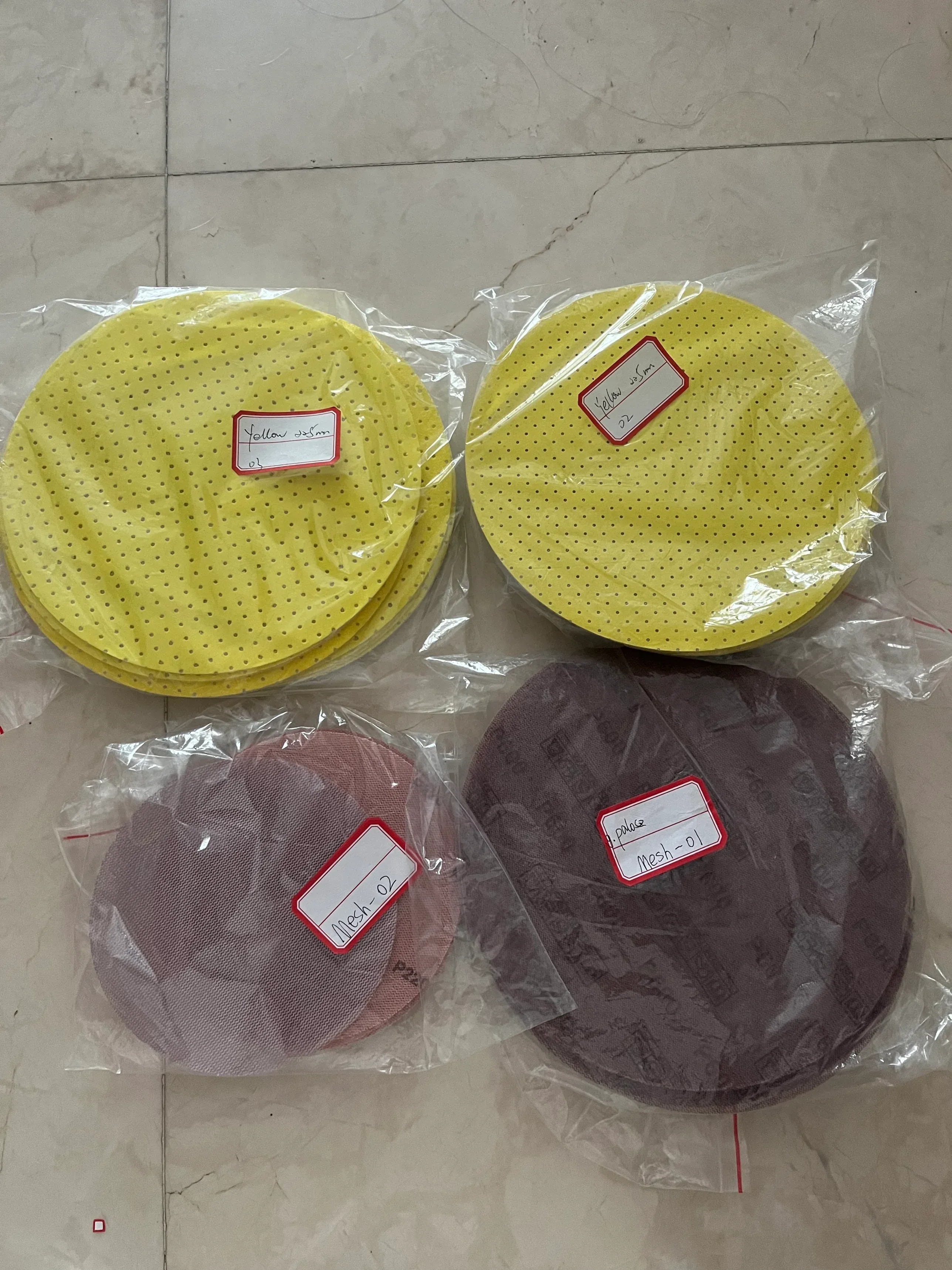
Before placing a bulk sanding disc order, buyers should test more than initial sharpness. A disc that cuts quickly for the first minute may still fail through clogging, weak backing, uneven scratch pattern or poor hook-and-loop stability.
Build A Fair Test Setup
Use the same sander, orbit size, backing pad, pressure, dust extraction, workpiece material and sanding time for every sample. Changing these conditions makes the result difficult to compare.
Key Quality Checks
- Initial cut rate and cut-rate retention after repeated sanding cycles.
- Loading or clogging on paint, primer, filler, resinous wood or soft metals.
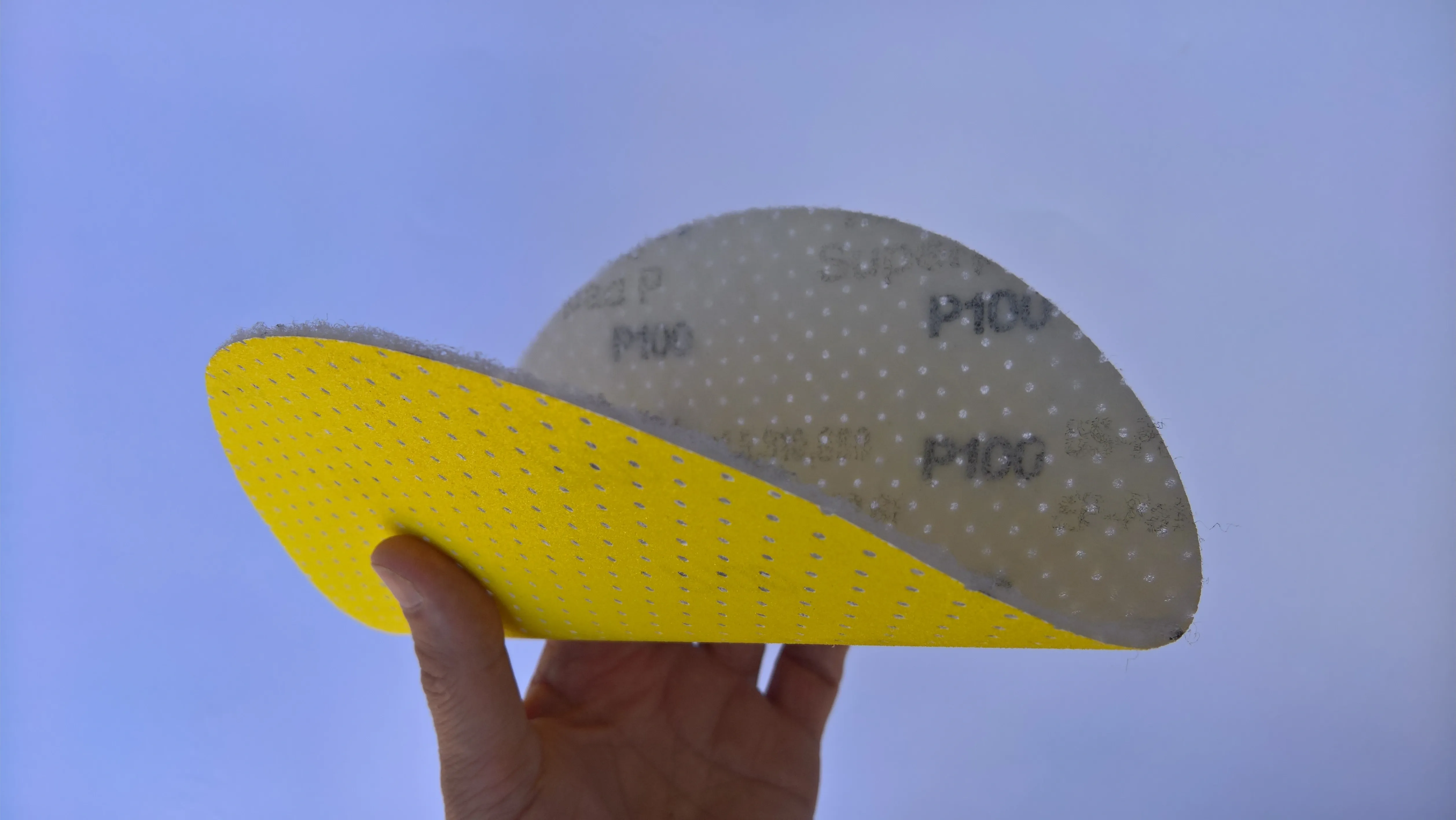
- Scratch consistency, including whether random deep scratches appear.
- Edge durability, disc curling, tearing and delamination.
- Hook-and-loop holding strength during actual machine use.
Measure Cost Per Finished Workpiece
Unit price per disc is only one part of purchasing cost. A better comparison includes usable life, sanding time, rework, dust cleanup and the number of discs consumed per panel or workpiece.
Supplier Questions
Ask for grit range, backing type, grain type, coating method, compatible hole pattern, recommended applications and sample testing support. A reliable supplier should help interpret test results instead of pushing one universal product.
Saylonk Product Match
Saylonk can provide sample support for paper discs, film discs, mesh abrasives, waterproof sheets and backing pads so buyers can compare real performance before confirming bulk specifications.
Buyer Takeaway
The most reliable abrasive choice is made by matching grain, backing, bond, grit sequence and machine conditions to the actual material and finish requirement. For bulk purchasing, confirm performance with controlled sample testing before scaling the order.