Jun 14, 2026Product Comparisons
The Power of Geometry: Why Pyramid Structured Abrasives Change the Grimming Game
Discover the science behind pyramid structured abrasives. Learn how micro-replicated geometry delivers consistent scratches, self-sharpening life, and pristine finishes.
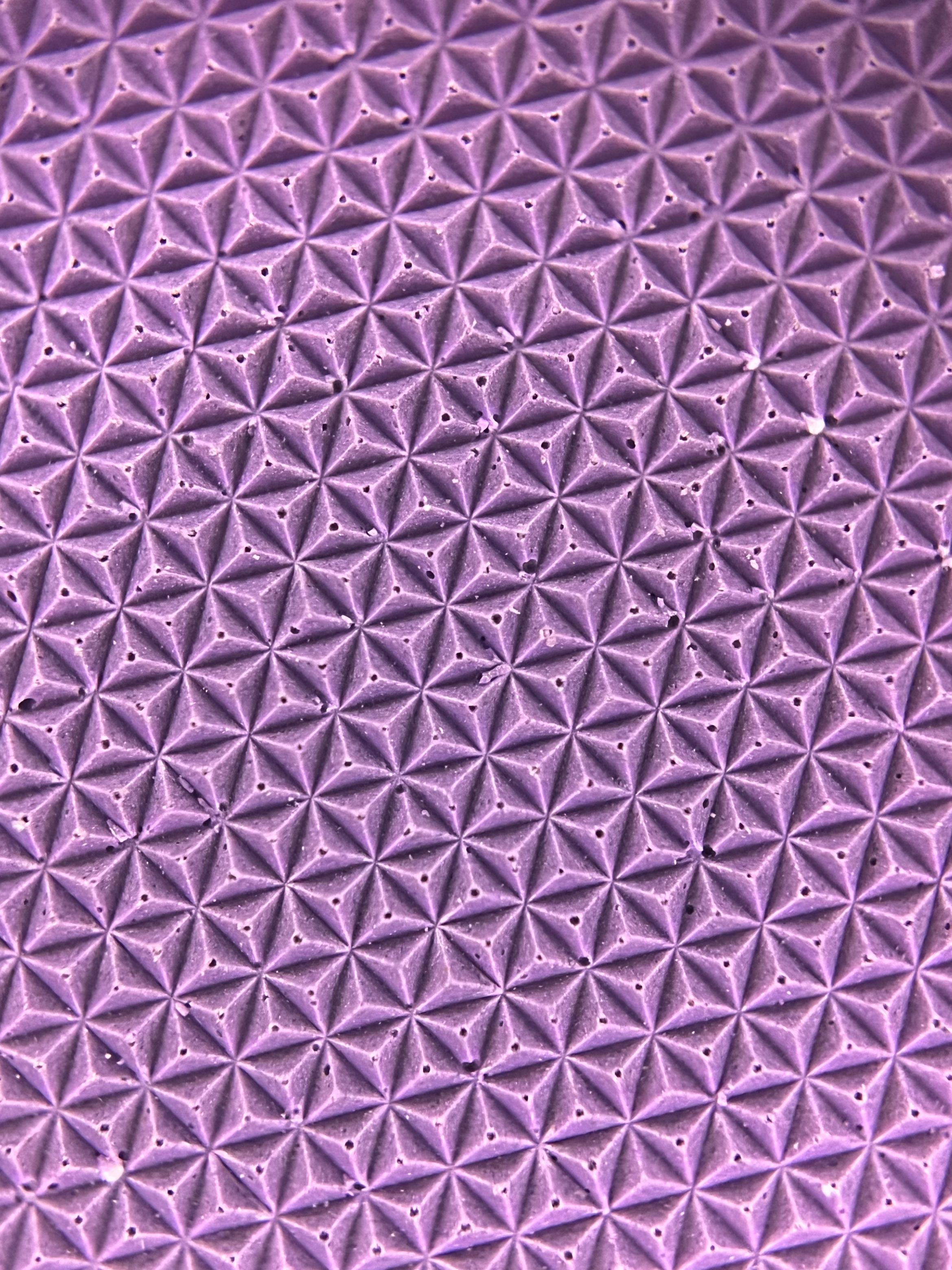
The abrasive material we've discovered is actually made of a "pyramid" structure! It doesn't rely on its chemical composition to "harden" its surface; instead, it dominates with its highly intelligent geometric structure. In factory workshops, craftsmen affectionately call it "pyramid" sandpaper (the technical English name is Structured Abrasives). When magnified 200 times, we see numerous triangles resembling Egyptian pyramids, each encasing extremely fine abrasive particles.
Why is it considered the ultimate weapon for polishing car surfaces? Because it solves the pain points of traditional sandpaper, making it a representative of high-end abrasives.
- Isn't the wear rate of ordinary sandpaper particularly high? However, the pyramid structure of sandpaper allows the abrasive particles to wear down naturally at the tips and fall off during polishing, forming new abrasive structures, greatly increasing the polishing effect. More precise and durable than traditional sandpaper, it can even handle the fine details of precision instruments. Compact and highly customizable, it's also very flexible and convenient to use with power tools.
- When polishing car paint, finishing musical instruments, or brushing high-end stainless steel, the biggest fear is developing a deep, inexplicable scratch. Because of its perfectly consistent height, the depth and grit of any scratch created by the pyramid-shaped polishing tool remain completely constant from the first second until the end of its lifespan. This makes subsequent polishing processes more than twice as labor-intensive, offering both efficient grinding and gentle, meticulous polishing.
Comparison Table: Traditional vs. Pyramid Structured Abrasives
Features | Traditional Coated Sandpaper | Pyramid Structured Sandpaper |
Grain Arrangement | Random & irregular | Structured, uniform height, micro-geometric shapes |
Cut Rate Stability | Stepped decline (sharp at first, then dulls quickly) | Consistently linear (maintains cutting power until worn out) |
Scratch Consistency | Occasional wild/deep scratches, lacks uniformity | Extremely uniform, yielding a silky-smooth finish |
Lifespan | Standard / Average | 2 to 5+ times longer than traditional sandpaper |
Primary Applications | Heavy stock removal, rapid blending, large-scale rust removal | Fine finishing, intermediate sanding, pre-polishing preparation |