Jun 14, 2026Buying Guides
From Coarse to Ultra-Fine: A Complete Grit Selection Guide for Metal and Wood
Choosing the wrong grit can ruin your workpiece. This guide breaks down exactly when to use Aluminum Oxide, Silicon Carbide, or Zirconia for flawless finishes.
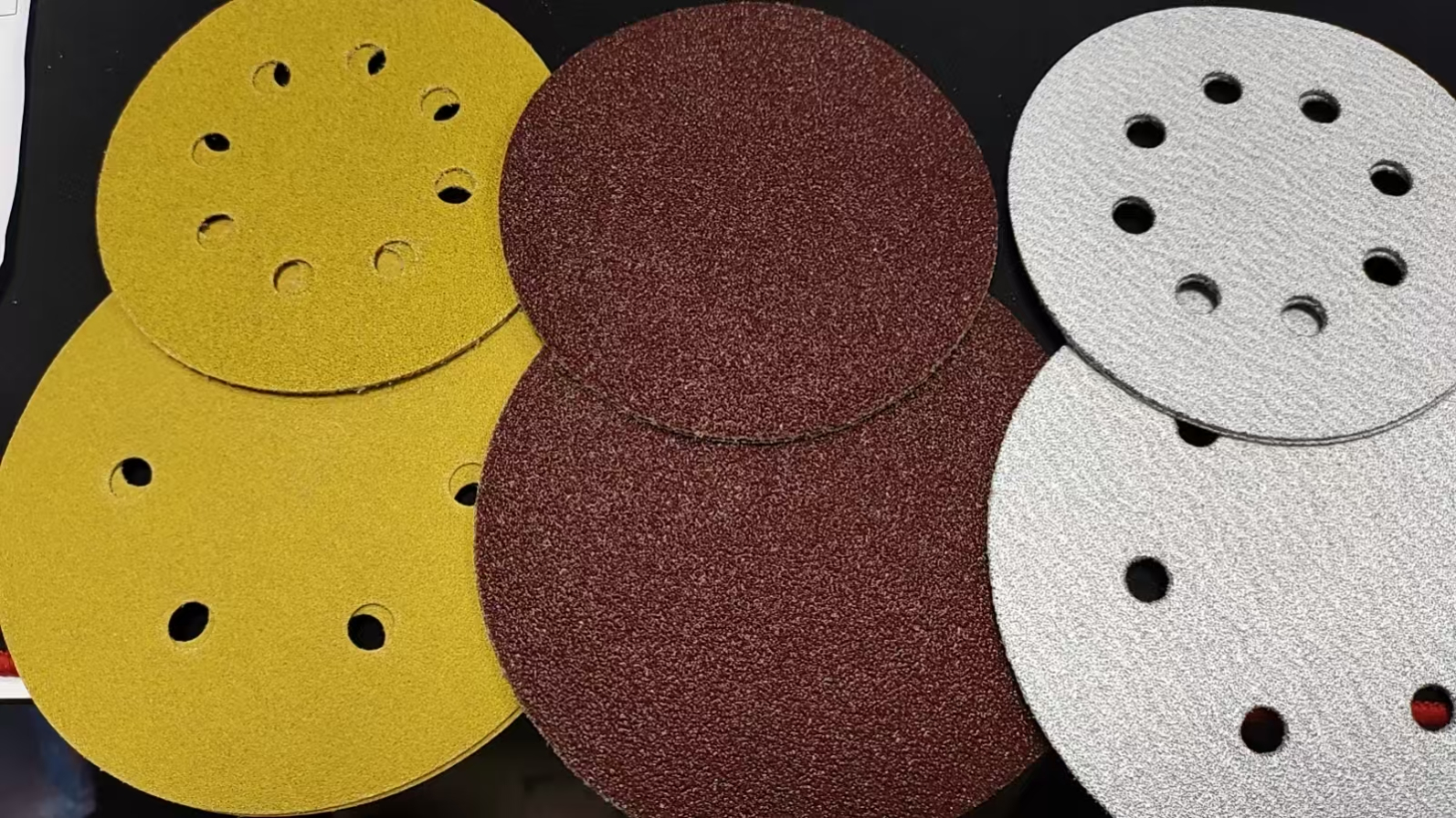
When choosing the right sandpaper, we need to consider the material, as perfect surface finishing requires a systematic approach. During production, we encounter many different types of customers, each with a different market. This means that the sandpaper brand standards accepted by the end-users will vary, as will the actual performance. As a factory, we need to match suitable products based on feedback from different customer markets.
For example, the actual application range of sandpaper: using coarse sandpaper on a soft painted surface will create deep swirl marks, while using fine sandpaper on stainless steel will cause the paint to peel off immediately. Understanding the product is equivalent to understanding the customer's usage scenario.
Below is a brief explanation of how to use our full range of products:
-Heavy Removal (40-80 grit): Choose our zirconia/alumina sanding belts or discs. Ideal for removing weld seams, leveling wood, and removing rust.
-Surface Finishing and Mixing (120-240 grit): Our premium alumina sandpaper combines flexibility and durability, making it ideal for wood sanding and priming.
-Ultra-fine wet sanding (400-2000 grit and above): Our silicon carbide waterproof sandpaper is designed for automotive clear coats, glass, and stone, creating a mirror-like smooth finish.
-Precision instruments (3000-10000 grit and above): Watch straps and mobile phone/digital products require finer sandpaper for precise polishing. It is less likely to damage surface details.