Jun 18, 2026Buying Guides
Industrial Guide: Automotive Refinishing Sandpaper Selection | Saylonk
A professional guide to selecting sandpaper grits for automotive refinishing. Optimize your multi-stage body filler, primer, and clear coat sanding with premium OEM abrasives.
How to Choose Sandpaper for Automotive Refinishing: An Industrial Sourcing Guide
Automotive refinishing demands absolute precision at every stage of the surface preparation process. For industrial paint shops and B2B distributors, selecting the mathematically correct sandpaper grit sequence is critical to preventing defects like sand scratch swelling, mapping, and adhesion failure.
Below is the standard multi-stage automotive sanding protocol, engineered to maximize efficiency and achieve a flawless, paint-ready surface profile.
The 4-Stage Automotive Refinishing Sanding Protocol
Stage 1: Body Filler Shaping & Contouring
- Recommended Grits: P80 to P120
- Application: Used strictly dry for heavy-duty stock removal. These coarse macro-grains are designed to quickly cut through cured polyester body fillers, level weld seams, and sculpt the vehicle’s original body contours without loading.
Stage 2: Primer Surfacer Sanding
- Recommended Grits: P180, P240, to P320
- Application: This intermediate stage focuses on smoothing the primer surfacer or e-coat. These grits eliminate the aggressive scratches left by Stage 1, feather-edge the repair zone, and create a uniform surface texture ready for basecoat application.
Stage 3: Basecoat Paint Preparation
- Recommended Grits: P400, P600, to P800
- Application: Fine-grit preparation before color coat spraying. Often deployed with flexible interface pads to prevent edge burn-through, these micro-grains provide the exact mechanical cross-hatch pattern required for optimal paint film adhesion while eliminating microscopic surface imperfections.
Stage 4: Clear Coat Defect Correction
- Recommended Grits: P1500, P2000, to P3000
- Application: The final rectifying stage, typically executed as wet sanding. These ultra-fine micro-abrasives are engineered to shear off dust nibs, level orange peel, and blend minor paint runs on the clear coat layer, establishing a scratch profile that can be effortlessly buffed to a high-gloss finish.
Why Silicon Carbide (SiC) Dominates Automotive Refinishing
While Aluminum Oxide is ideal for structural metal prep, Silicon Carbide (SiC) is the preferred mineral choice for precision automotive coatings due to its unique crystalline geometry:
- Aggressive Shearing Action: Sharp, needle-like crystals cut cleanly through hard automotive clears and soft primers with minimal required pressure.
- Consistent Scratch Depth: Minimizes "wild scratches" that could swell and show through the final paint film.
- Superior Wet Sanding Substrate: SiC grains naturally resist loading when lubricated with water, extending the lifespan of waterproof sanding sheets and film discs.
Summary Matrix: Grit Sequence & Mineral Selection
Refinishing Stage | Recommended FEPA Grit | Sanding Method | Recommended Mineral |
Filler Leveling | P80 – P120 | Dry | Aluminum Oxide / Ceramic |
Primer Smoothing | P180 – P320 | Dry / Wet | Aluminum Oxide / Silicon Carbide |
Color Base Prep | P400 – P800 | Dry (with interface) | Silicon Carbide / Aluminum Oxide |
Clear Coat Correction | P1500 – P3000 | Wet | Silicon Carbide |
B2B Sourcing & Private Label OEM Solutions
As an established industrial source manufacturer, Saylonk Abrasives engineers automotive-grade abrasives designed for continuous, high-efficiency operations. We utilize advanced electrostatic coating technology to ensure flawless grain uniformity, minimizing clear coat scratch contamination.We support international brands and global distributors with a comprehensive product ecosystem and tailored OEM / Private Label services:
- Waterproof Sanding Sheets: Flexible latex backing optimized for professional wet sanding.
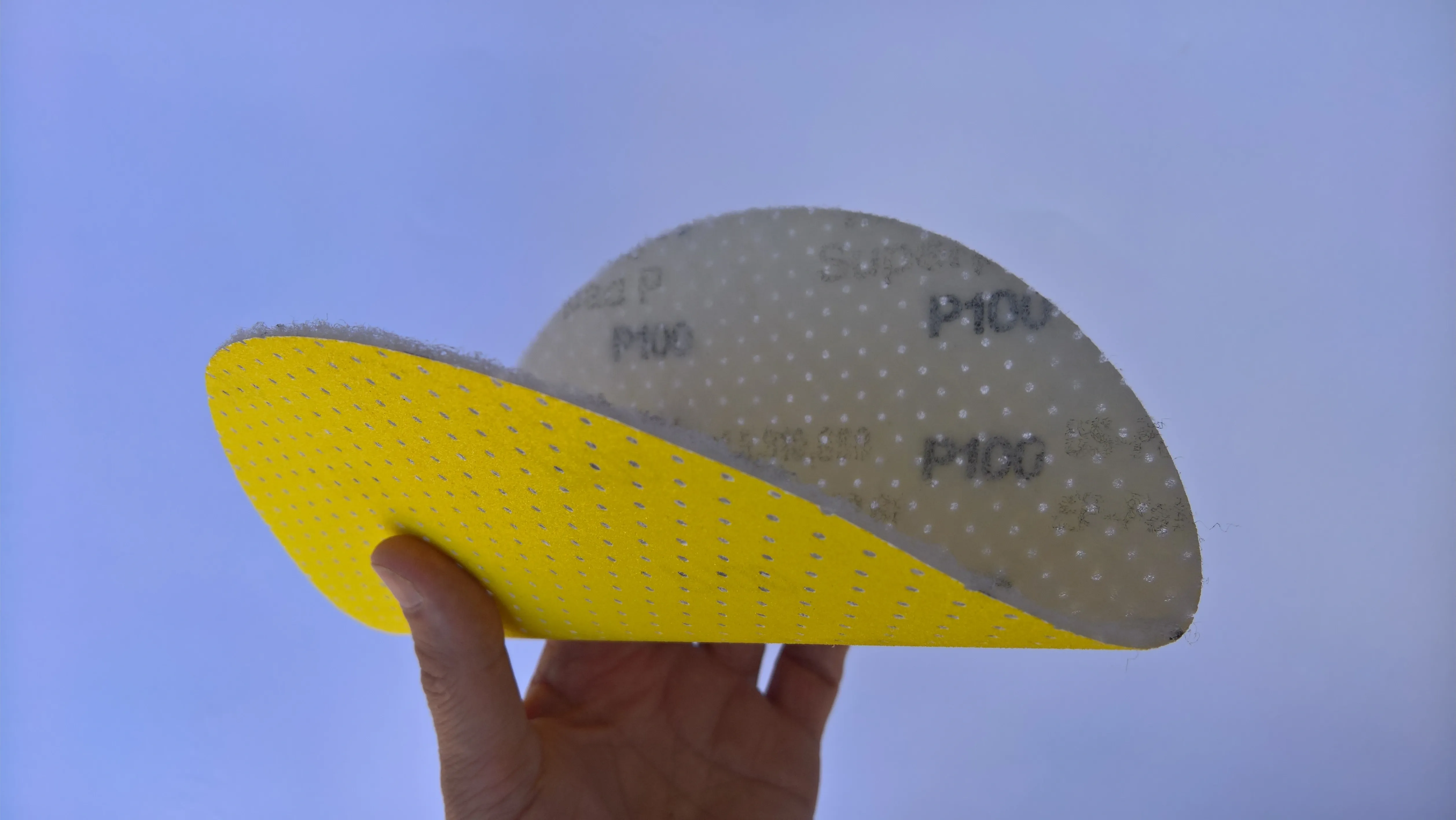
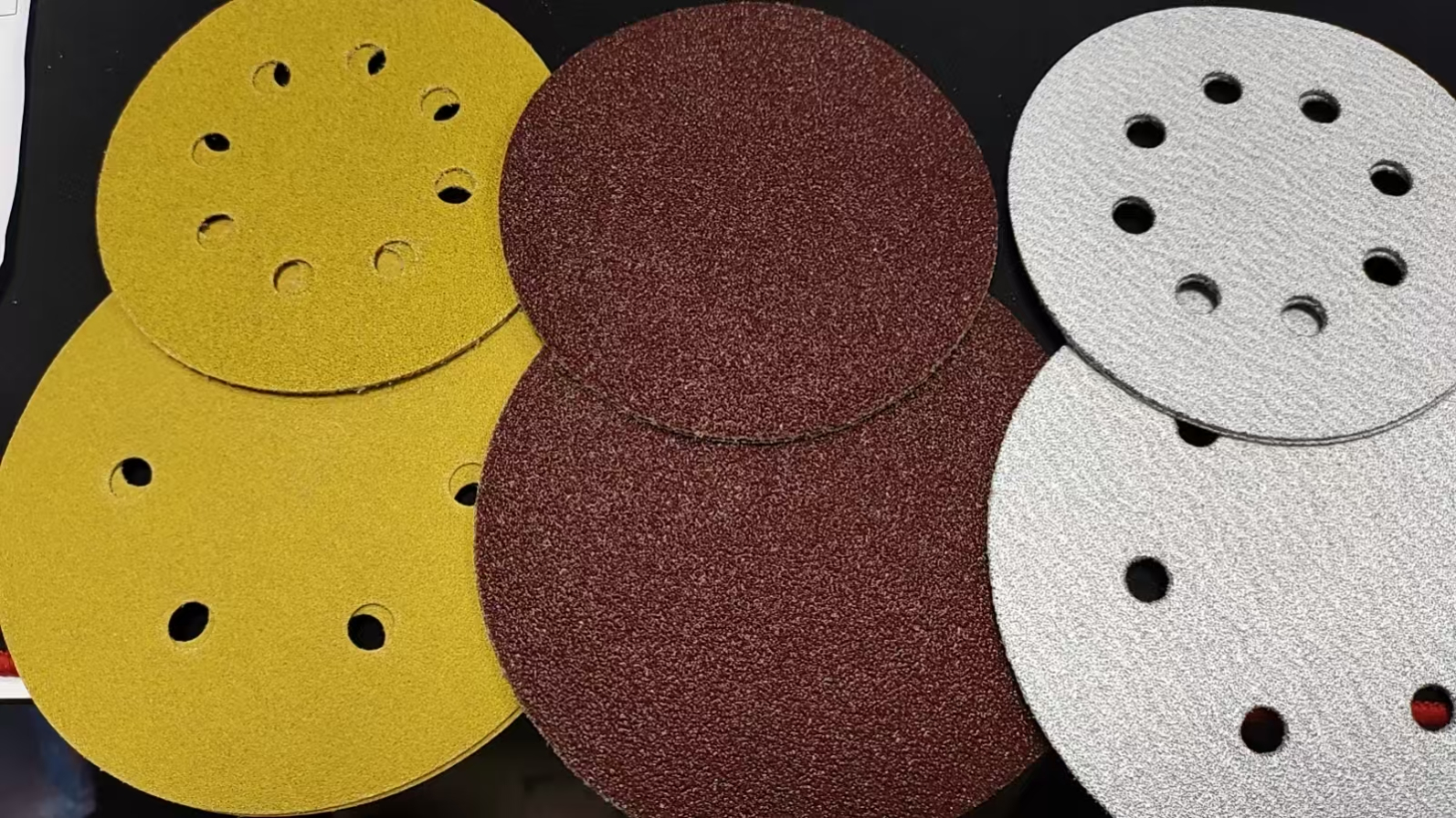
- Hook & Loop Sanding Discs: High-stability paper and multi-hole configurations for dust-free pneumatic sanding.
- Premium Film Abrasive Discs: Tear-resistant polyester backing for precise clear coat alignment.
Request Free Technical Samples
Ready to upgrade your automotive product line or secure factory-direct wholesale pricing? Contact our engineering team today to receive a curated sample kit tailored to your specific market requirements.
- Email: anna@saylonk.com
- Website: www.saylonk.com