Jul 7, 2026Industry Applications
Dry Sanding Discs for Automotive Refinishing: How Buyers Should Choose Paper, Film, Mesh and Sponge Backing
Learn how to select dry sanding discs for automotive refinishing by backing type, abrasive grain, hole pattern, grit sequence and real production testing.
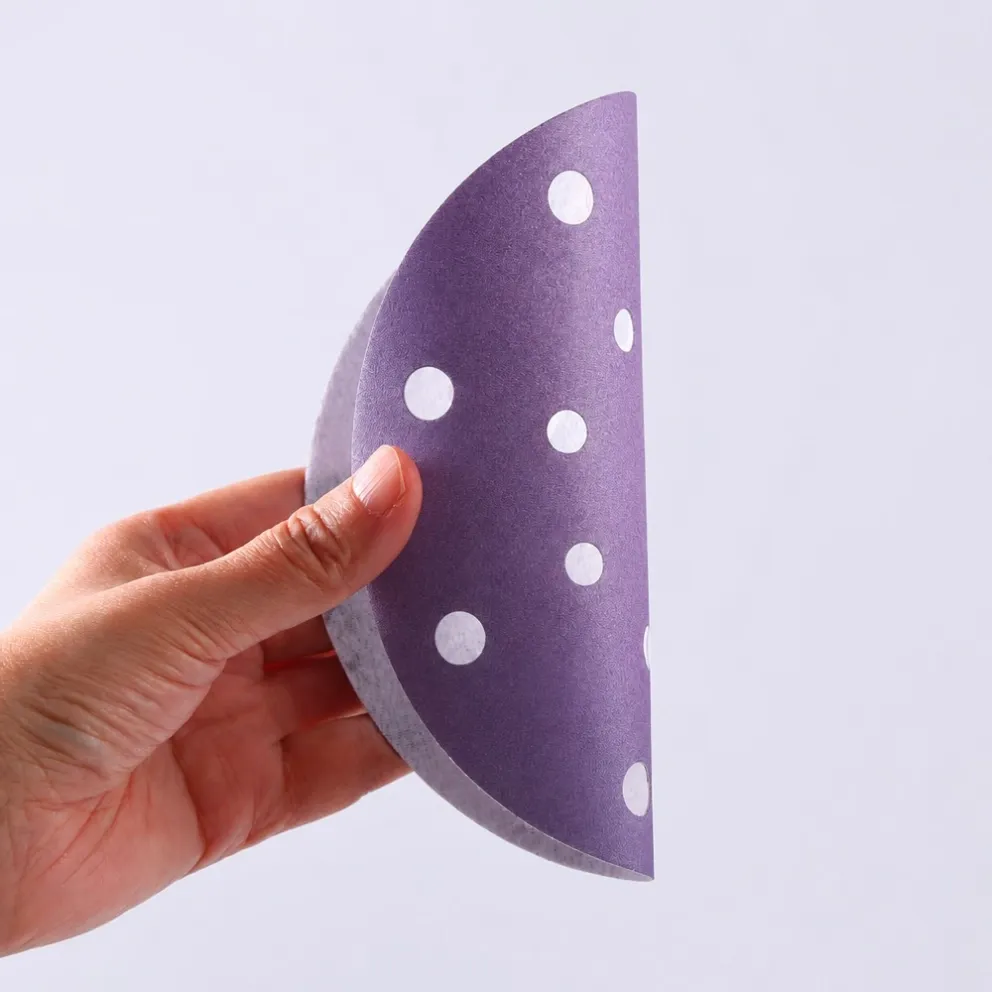
Dry sanding has become a common process in automotive refinishing because it helps body shops work faster, keep the repair area cleaner and reduce water-related process steps. But for buyers, choosing a dry sanding disc is not only about grit size. The backing material, abrasive grain, hole pattern, dust extraction setup and machine condition all influence the final sanding result.
Why Backing Type Matters
Different backing types create different sanding behavior. A paper disc, film disc, mesh abrasive and sponge-backed product can all be used in automotive surface preparation, but they are not the same product.
Paper sanding discs
Paper sanding discs are suitable for common primer, filler and paint preparation work. They are familiar to technicians and can offer practical cost value for daily body-shop consumption.
Film abrasive discs
Film abrasive discs are useful when buyers need a more stable backing, consistent surface contact and cleaner scratch consistency in dry sanding or fine surface preparation.
Mesh or net abrasives
Mesh abrasives support dust extraction through the abrasive surface. They can reduce loading when matched with the correct backing pad and vacuum system.
Sponge or foam products
Sponge and foam sanding products help with curves, contours, edges and finishing stages where controlled contact is more important than aggressive stock removal.
Paper, Film or Mesh: How to Compare
Paper-backed sanding discs are often a practical choice for general refinishing work. They cover many common grit ranges and remain important for distributors that need stable daily-consumption products.
Film abrasive discs are often selected when buyers want more stable backing and more consistent sanding contact. This can help support a more even scratch pattern when technicians are working with orbital sanders.
Mesh abrasives are useful when dust extraction is a major concern. However, mesh products must be matched with the correct backing pad and extraction system, otherwise the benefit will not be fully visible.
Abrasive Grain Selection
Aluminum oxide is widely used for general sanding because it offers stable performance and good cost value.
Ceramic abrasive is better suited for tougher cutting conditions where buyers need stronger performance, but it should be tested under real machine pressure and material conditions.
Silicon carbide is often preferred for fine finishing and wet sanding applications because of its sharp cutting behavior and smooth finish potential.
Hole Pattern and Dust Extraction
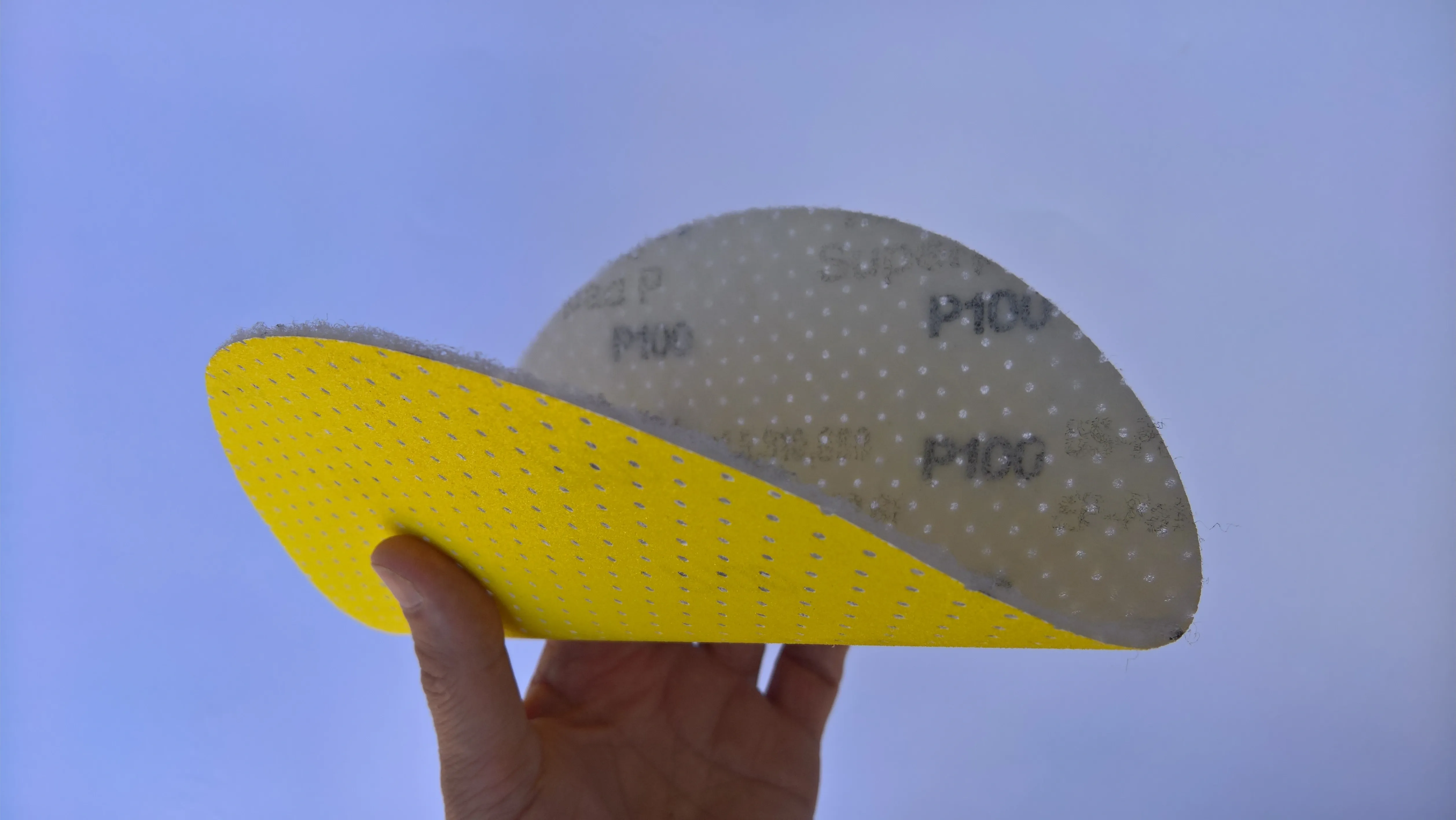
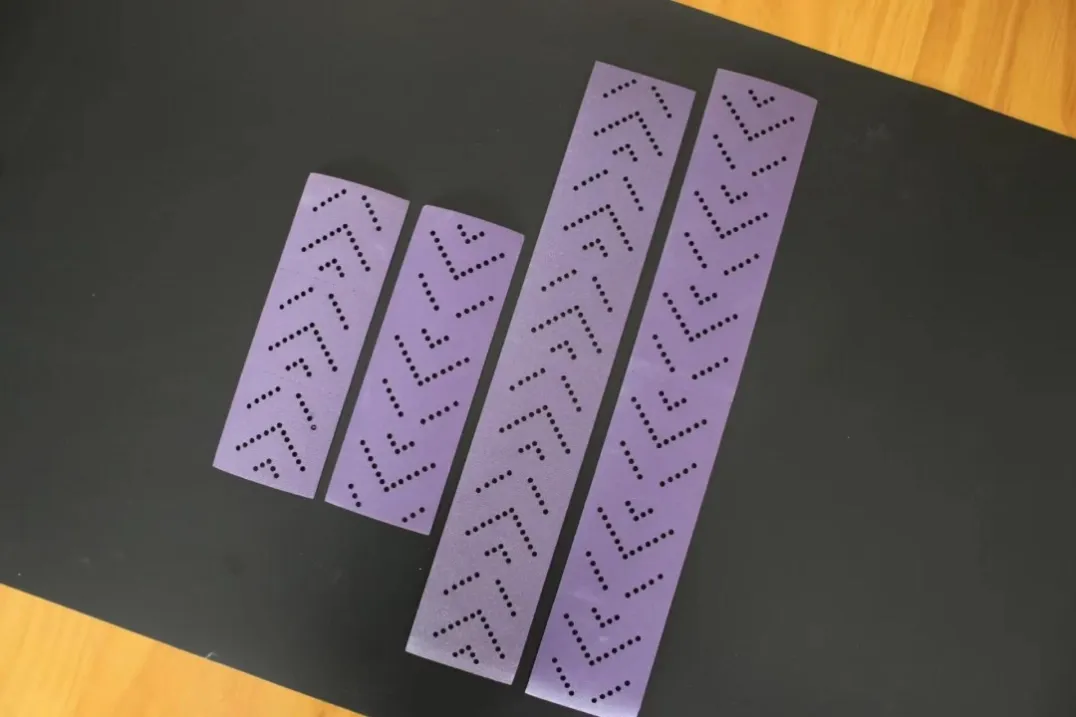
For dry sanding discs, hole pattern is not a small detail. A good abrasive disc can still perform poorly if the hole pattern does not match the backing pad or dust extraction system.
- Confirm disc diameter.
- Confirm number and layout of holes.
- Confirm machine type and backing pad.
- Confirm vacuum extraction setup.
- Confirm grit range and target surface finish.
Sample Testing Checklist
A fair sample test should use the same machine, backing pad, pressure, workpiece material, dust extraction setup and inspection method.
- Compare cutting speed.
- Check scratch consistency.
- Record clogging behavior.
- Inspect edge wear and disc life.
- Compare cost per finished repair area, not only unit price per disc.
Saylonk Product Match
Saylonk can help automotive refinishing buyers match paper discs, film abrasive discs, mesh abrasives, ceramic discs, sponge finishing products and backing pads according to real repair processes and private-label requirements.
Buyer Takeaway
Need help choosing dry sanding discs for automotive refinishing? Send your disc size, hole pattern, grit range, machine type and application details through www.saylonk.com. We can help suggest a practical sample-testing direction before bulk ordering.