Jul 10, 2026Buying Guides
Hook-and-Loop Sanding Discs: Why Hole Pattern, Backing Pad and Dust Extraction Matter
Hook-and-loop sanding disc buyers should check hole pattern, backing pad fit, dust extraction, abrasive grain, backing strength and real sanding stage before confirming bulk orders.
Hook-and-loop sanding discs are widely used in automotive refinishing, woodworking, wall sanding, metal finishing and general surface preparation. They are easy to change, practical for repeated sanding and suitable for many machine-sanding systems.
However, B2B buyers should not select hook-and-loop discs only by diameter and grit. The disc must match the machine, backing pad, hole pattern, dust extraction system, abrasive grain and sanding stage.
If these details are ignored, a buyer may face fast clogging, poor dust removal, unstable scratch patterns, edge wear, vibration, short disc life or customer complaints after bulk delivery.
Diameter And Attachment Are Only The First Checks
Most buyers start with size and hook-and-loop attachment. These details are necessary, but they are not enough.
The buyer should also confirm:
- Disc diameter.
- Hole pattern.
- Backing pad compatibility.
- Machine type and speed.
- Dust-extraction setup.
- Abrasive grain and backing material.
- Grit sequence.
- Target material and surface finish.
This is especially important when the buyer supplies professional workshops or private-label markets where product consistency affects brand reputation.
Hole Pattern And Dust Extraction
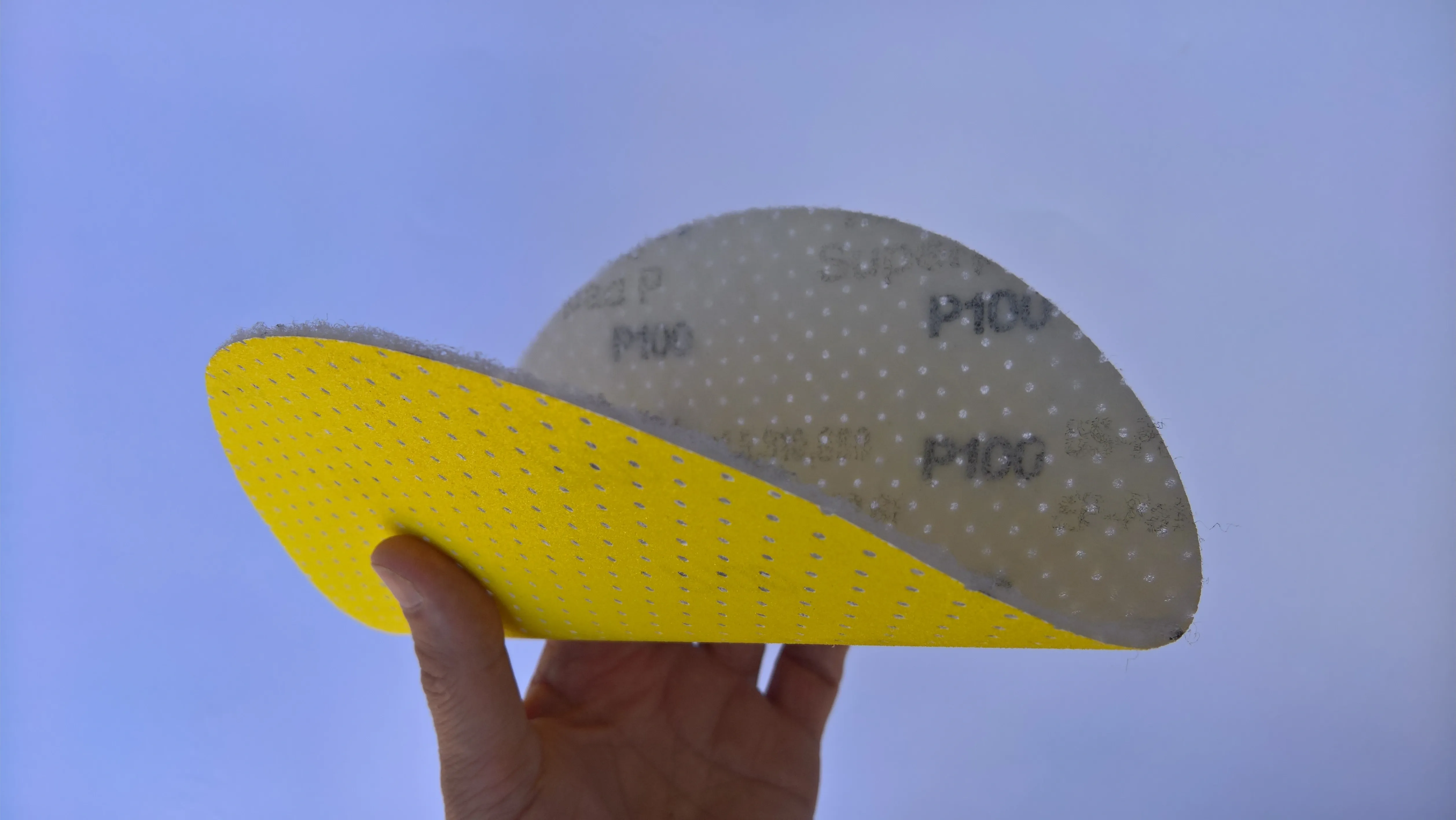
Hole pattern is not only a visual detail. It affects airflow and dust removal during sanding.
In dry sanding, dust can influence clogging, heat, visibility, abrasive life and surface cleanliness. If the hole pattern does not match the backing pad or extraction system, the disc may not perform as expected even if the abrasive grain is suitable.
For body shops, woodworking users and wall-sanding customers, dust extraction can become a key performance factor. A good test should check whether the disc, pad and extraction system work together under real working pressure.
Paper, Film Or Mesh Disc
Hook-and-loop discs can use different abrasive structures.
Paper-backed discs are practical for broad sanding and common workshop use. They can support many grit ranges and materials.
Film-backed discs are useful when buyers need stronger backing stability and more controlled scratch consistency.
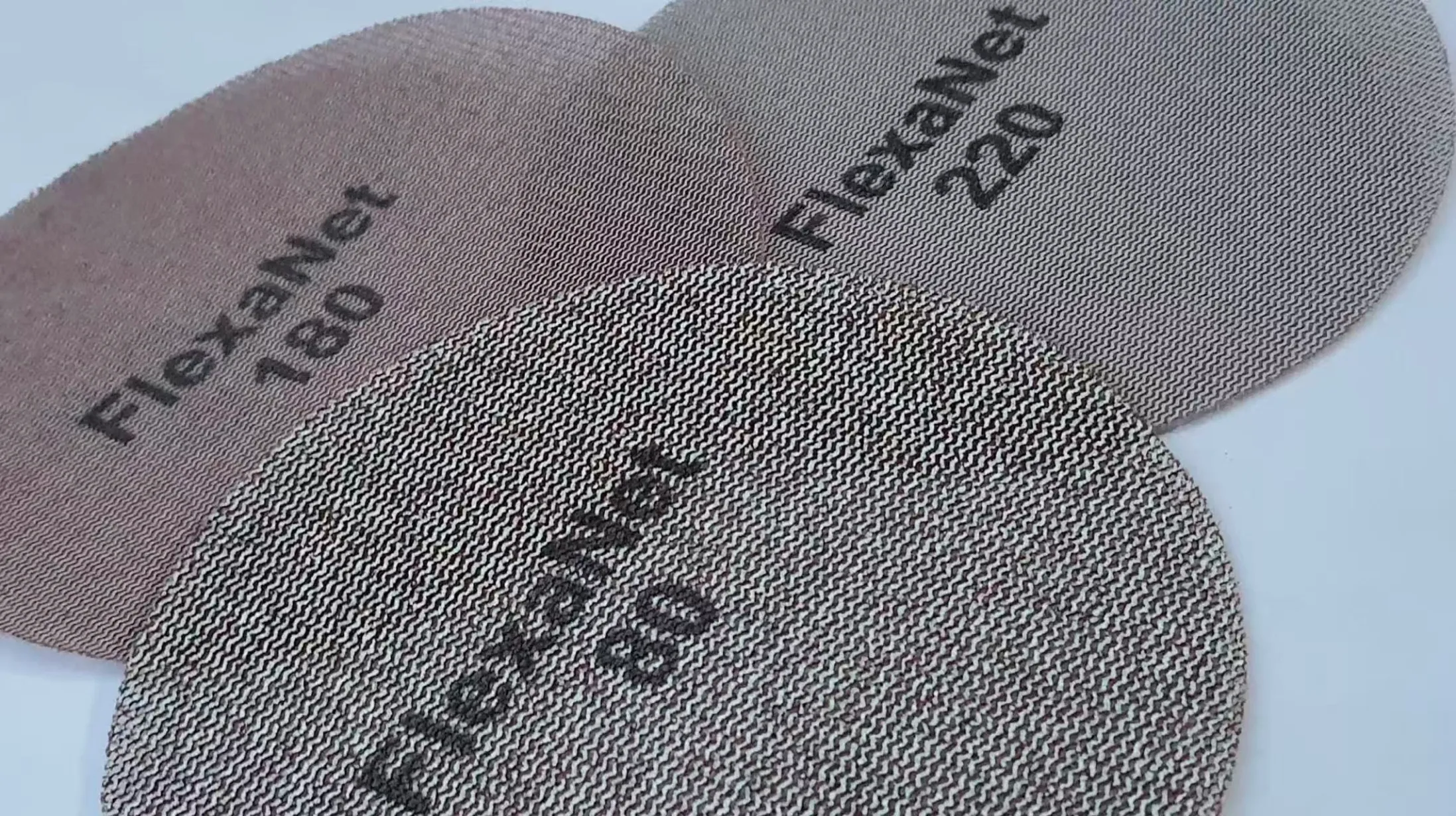
Mesh abrasives are useful when dust extraction and anti-clogging performance are important. They should be evaluated with the buyer's real machine and extraction setup.
The best choice depends on sanding stage, material, surface requirement, machine type and target cost per finished workpiece.
Backing Pad Compatibility
Backing pad selection affects sanding pressure, disc support, vibration and edge behavior. A disc that performs well on one pad may behave differently on another.
Before ordering in bulk, buyers should test the disc with the same backing pad and machine used by the target customer. This reduces the risk of approving a sample under conditions that do not match real use.
Sample Testing Checklist
For hook-and-loop sanding discs, buyers can check:
- Disc-to-pad fit.
- Hole pattern alignment.
- Dust extraction behavior.
- Scratch consistency across repeated cycles.
- Clogging and loading speed.
- Edge wear and backing strength.
- Vibration or unstable sanding feel.
- Packaging and private-label requirements.
These checks help buyers evaluate the real product value instead of only comparing first-minute cutting speed or unit price.
How Saylonk Supports Hook-and-Loop Disc Buyers
Saylonk supplies sanding discs, hook-and-loop abrasives, backing pads, mesh abrasives, paper-backed sandpaper, film abrasive options and related abrasive products. We help buyers match abrasive structure, grain, backing, hole pattern and sample-testing direction according to real application needs.
Our focus is one-stop abrasive solution support for mid-to-high-end markets where stable performance and better cost value are important.
FAQ / Buyer Checks
Why does sanding disc hole pattern matter?
Hole pattern affects dust extraction and disc-to-pad compatibility. A mismatched pattern can increase clogging or reduce sanding stability.
Should buyers choose paper, film or mesh sanding discs?
It depends on the sanding stage. Paper is broad-use, film supports scratch control, and mesh helps with dust extraction and anti-clogging dry sanding.
What should be tested before bulk orders?
Test the disc with the target machine, backing pad, extraction setup, material, pressure and grit sequence.
Related Products and Inquiry Support
Related Saylonk pages for this topic include All Saylonk Abrasive Products, Jade Dolphin Flocked Sandpaper, Jade Dolphin Professional Backing Pad, Premium Blue Abrasive Sandpaper. These pages help buyers compare product families, applications and suitable sample options.
For quotation or sample matching, share your material, tool type, grit range, size, packaging needs and target market. Contact Saylonk Abrasives to confirm suitable abrasive products, OEM/private-label options and supply details.