Jul 10, 2026Buying Guides
Sanding Sponge and Foam Abrasives: How Buyers Should Match Flexibility, Grit and Surface Shape
Choose sanding sponge and foam abrasives by flexibility, grit consistency, backing density and surface shape for B2B abrasive applications.
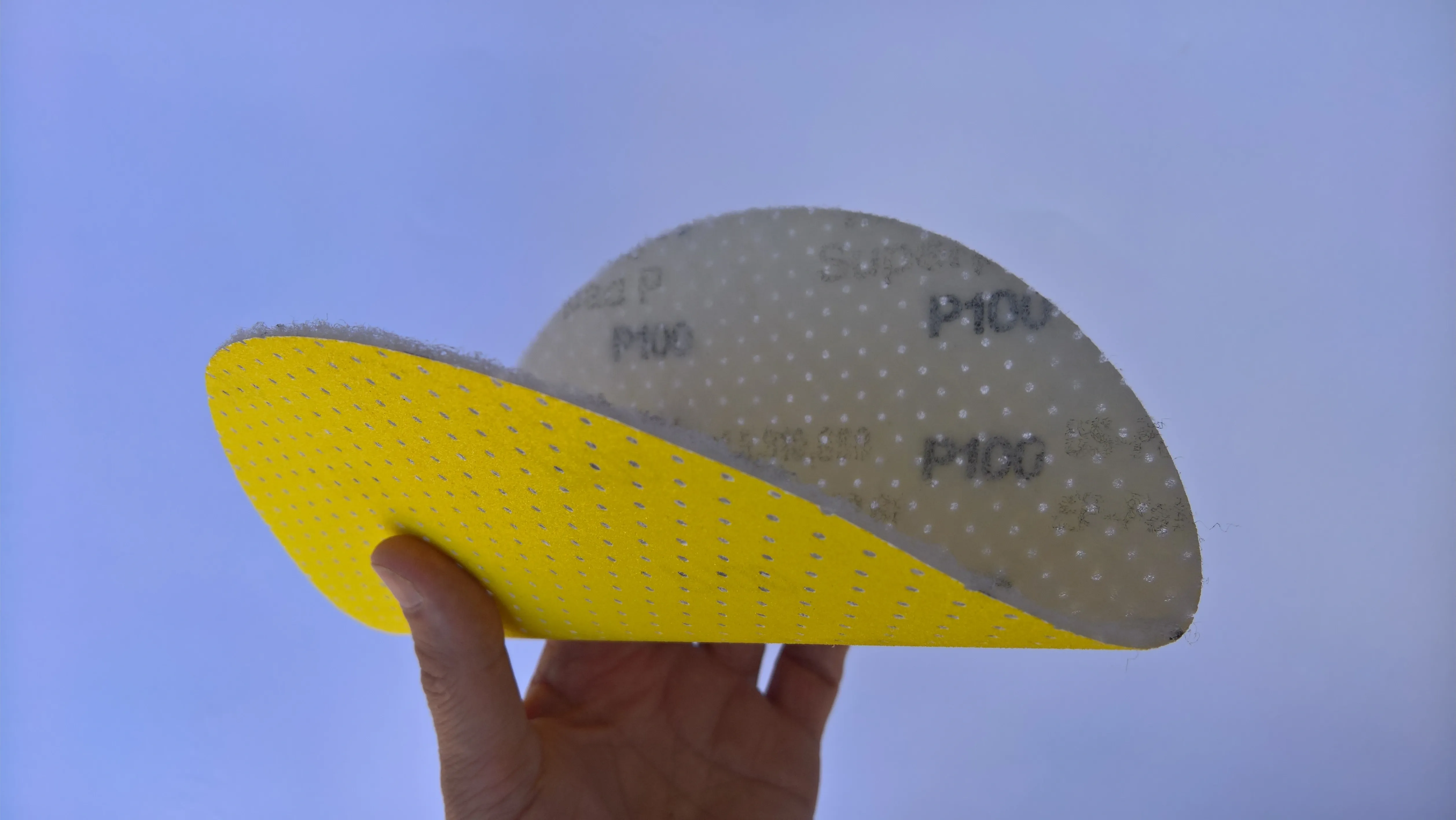
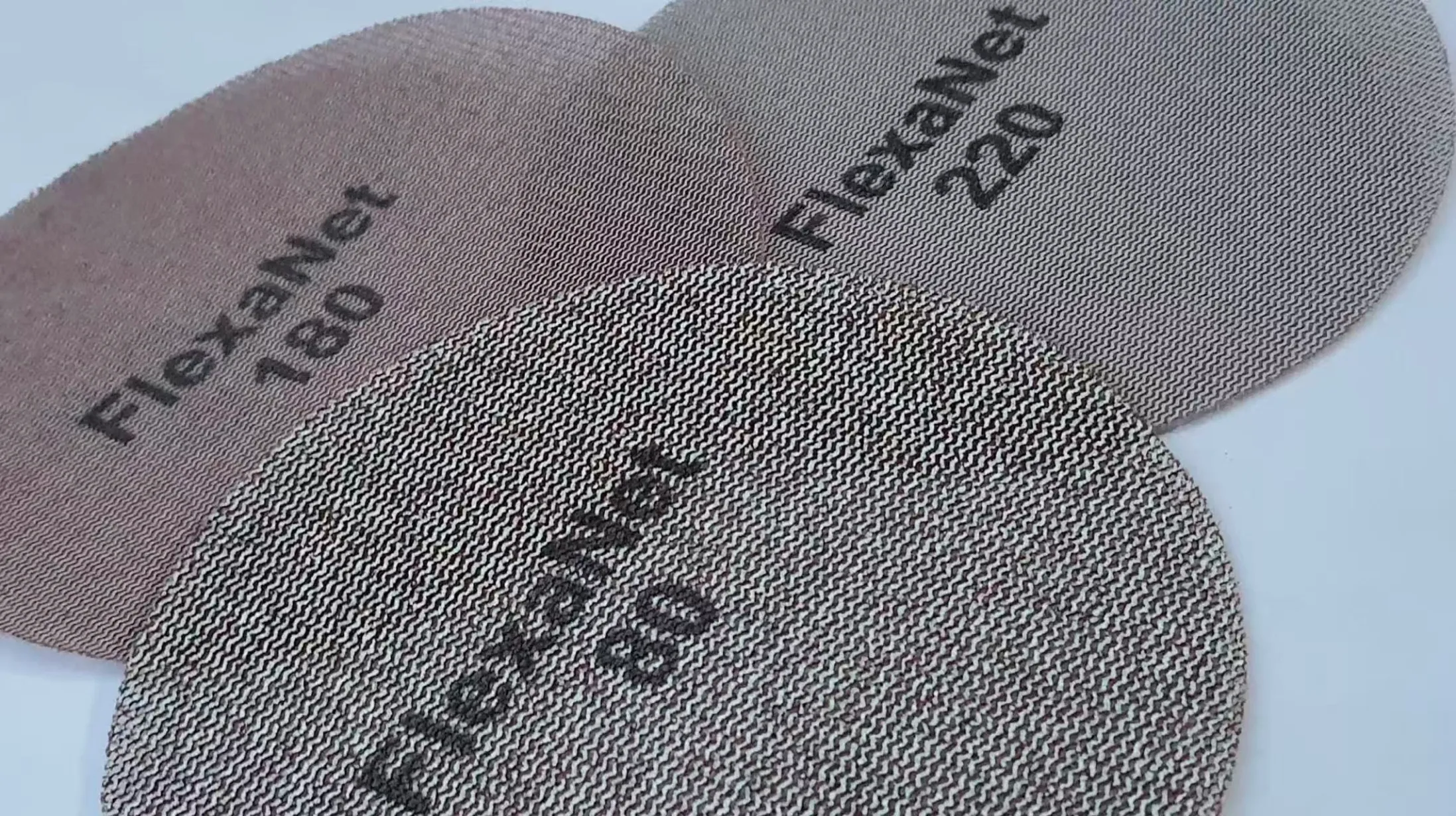
Flat abrasive sheets and sanding discs are important, but they cannot solve every sanding problem. Many real surfaces include curves, edges, corners, profiles, contours and detail areas where a rigid flat abrasive cannot contact the workpiece evenly.
This is where sanding sponge and foam abrasives become valuable. For B2B buyers, the correct sponge abrasive is not only about grit number. It depends on foam density, flexibility, abrasive grain, coating consistency, product shape and the target sanding stage.
Sanding sponge products are used in automotive refinishing, woodworking, furniture finishing, wall sanding, metal detail work, plastic finishing and beauty-tool abrasive products. They can help buyers solve contact-pressure and shape-matching problems that flat discs or sheets may not handle well.
Why Flexibility Matters
Flexibility controls how the abrasive contacts the workpiece.
If the sponge is too hard, it may not follow curves and profiles. If it is too soft, it may lose control, round edges too much or create inconsistent sanding pressure.
The right sponge structure depends on the application:
- Automotive bumpers, curves and body lines.
- Wood furniture profiles and edges.
- Wall corners and repair areas.
- Plastic parts and molded shapes.
- Nail file or beauty-tool abrasive structures where surface feel matters.
Grit Consistency And Surface Feel
For sponge abrasives, grit consistency is important because the user often works by hand. Uneven abrasive coating may create rough spots, unstable sanding feel or inconsistent finish quality.
Buyers should test whether the abrasive layer remains stable across the product surface and across repeated use. For private-label or retail markets, surface feel can directly affect customer perception.
Sponge Shape And Product Format
Different sponge abrasive formats solve different tasks:
- Double-sided sponge pads for general hand sanding.
- Four-sided sanding blocks for longer usable surface area.
- Wedge or angled shapes for corners and profiles.
- Sponge rolls for flexible cutting and custom sizes.
- Foam discs for controlled machine or detail finishing where applicable.
The buyer should select the format by use case, not only by catalog appearance.
Automotive, Woodworking And Nail-File Applications
In automotive refinishing, sponge abrasives can support curves, bumpers, edges and contour sanding before coating or polishing.
In woodworking and furniture finishing, sponge abrasives help with profiles, edges, decorative shapes and hand-finishing stages.
In beauty-tool and nail-file markets, the abrasive logic is similar: backing flexibility, grit consistency, bonding and surface feel affect product performance and user experience.
This makes sponge abrasives useful not only as a workshop product, but also as a direction for OEM/private-label product development.
Sample Testing Checklist
Before confirming sponge abrasive orders, buyers can check:
- Foam density and recovery.
- Flexibility on curves and edges.
- Abrasive grain and cutting feel.
- Grit consistency across the surface.
- Bonding durability after repeated use.
- Shape, size and packaging requirements.
- Whether the product fits the target market level.
The buyer should test the sponge on real workpiece shapes, not only on a flat sample board.
How Saylonk Supports Sponge Abrasive Buyers
Saylonk supplies sponge sanding pads, sandpaper, waterproof paper, sanding discs, non-woven products and related abrasive materials. We help buyers review the application, surface shape, grit range, abrasive grain, flexibility, packaging and private-label requirements before sampling.
Our goal is to support buyers with stable mid-to-high-end abrasive solutions and better cost value, while helping them avoid wrong samples and product-line gaps.
FAQ / Buyer Checks
When should buyers use sanding sponge instead of sandpaper?
Sanding sponge is useful when the workpiece has curves, edges, profiles or hand-sanding areas where flat paper does not contact evenly.
What should be checked in a sponge abrasive sample?
Check foam density, flexibility, grit consistency, abrasive coating, bonding durability, shape and real surface performance.
Can sponge abrasives support private-label product development?
Yes. Sponge format, color, grit marking, packaging and surface feel can be reviewed according to the buyer's product line and market positioning.
Related Products and Inquiry Support
Related Saylonk pages for this topic include All Saylonk Abrasive Products, High Flexibility Sponge Sanding Foam Pads, Surface Conditioning Disc, Premium Blue Abrasive Sandpaper. These pages help buyers compare product families, applications and suitable sample options.
For quotation or sample matching, share your material, tool type, grit range, size, packaging needs and target market. Contact Saylonk Abrasives to confirm suitable abrasive products, OEM/private-label options and supply details.