Jul 6, 2026Abrasive Technology
Mesh Abrasives Explained: Dust Extraction, Cut Rate and Service Life
Learn how mesh abrasives improve dust extraction, clogging resistance, cut rate, edge durability and service life for cleaner sanding.
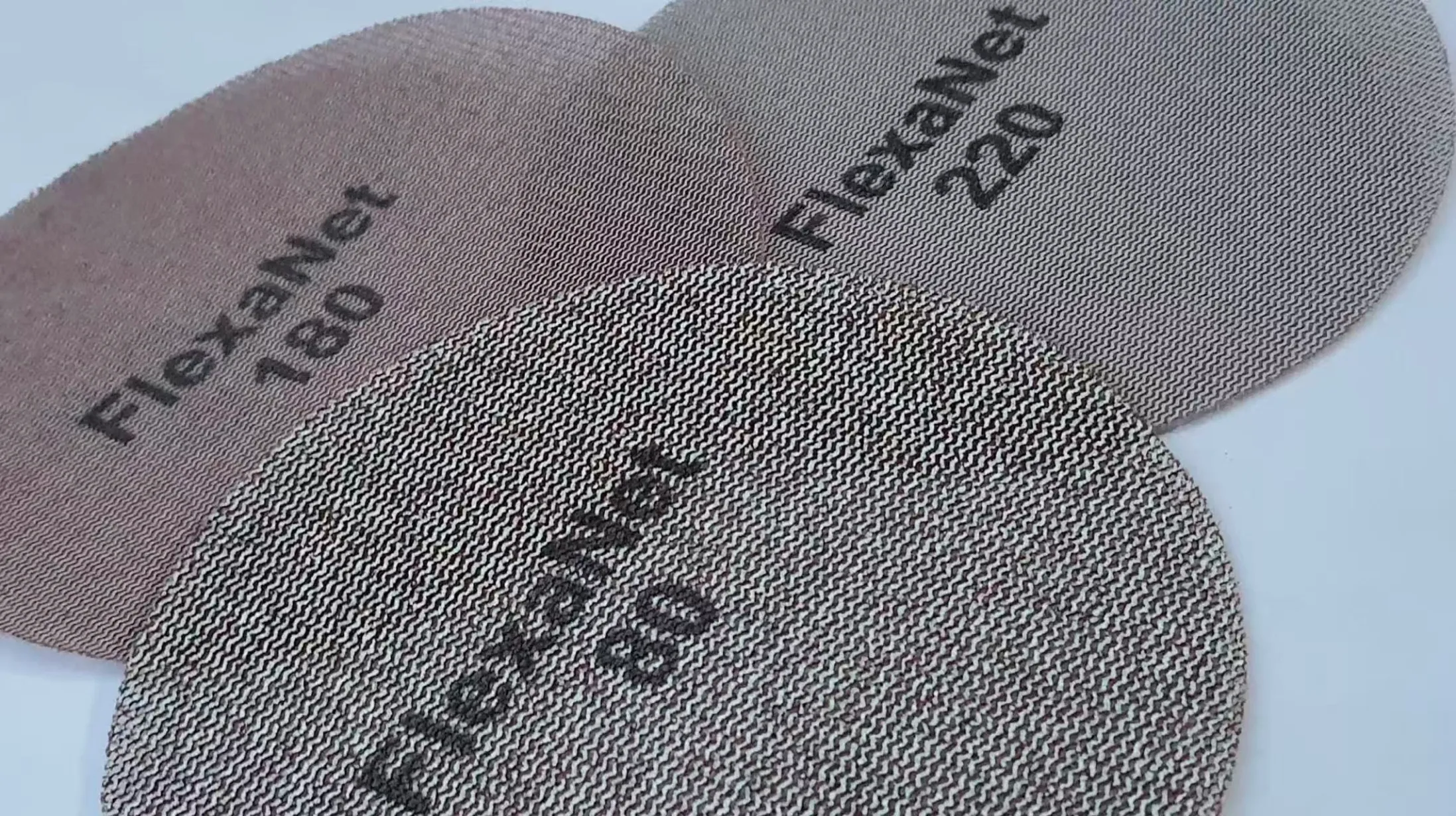
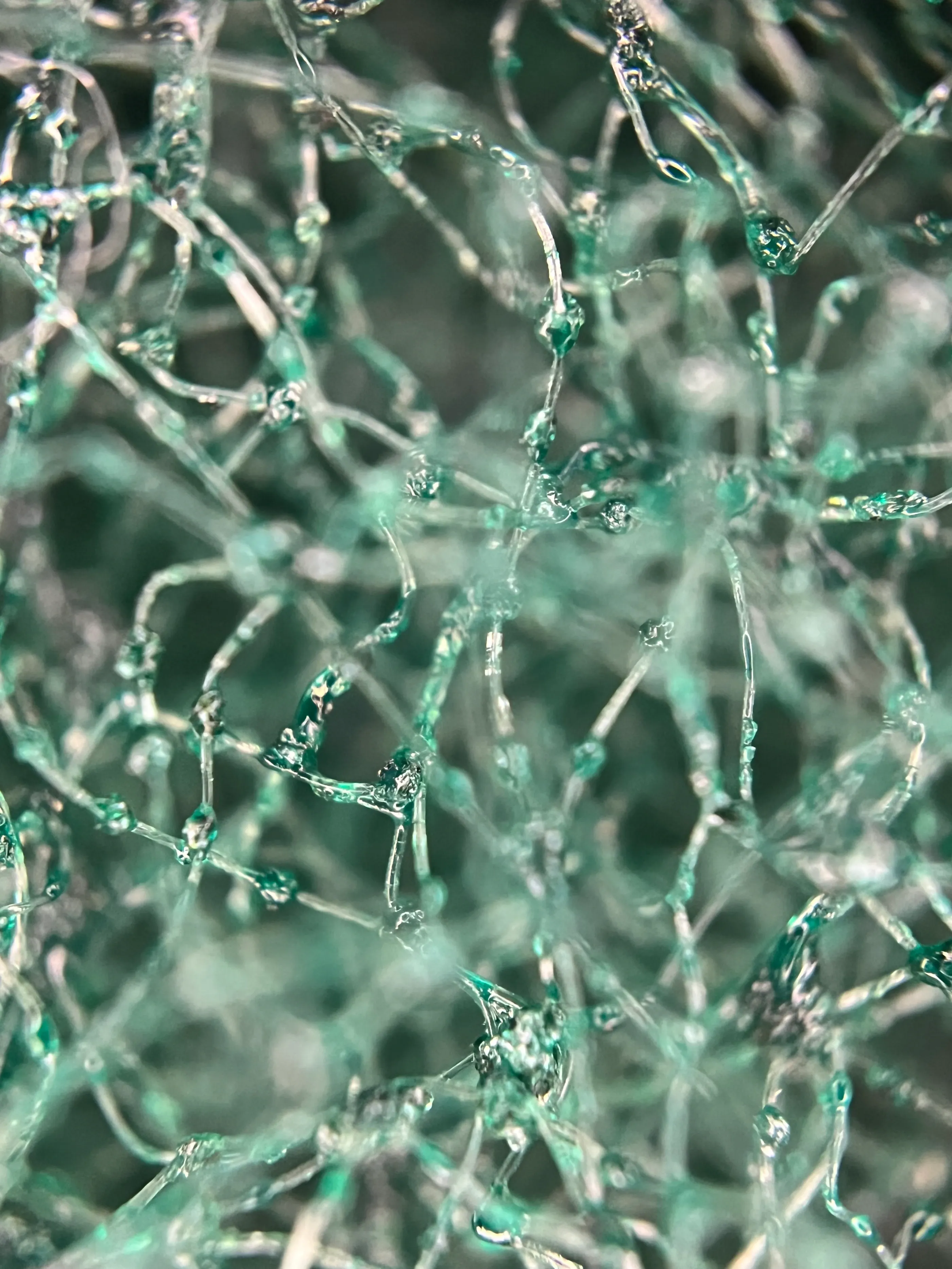
Mesh abrasives use an open net structure that allows sanding dust to pass through a large part of the abrasive surface. Their value depends on the complete sanding system, not only the disc itself.
Why Mesh Abrasives Reduce Loading
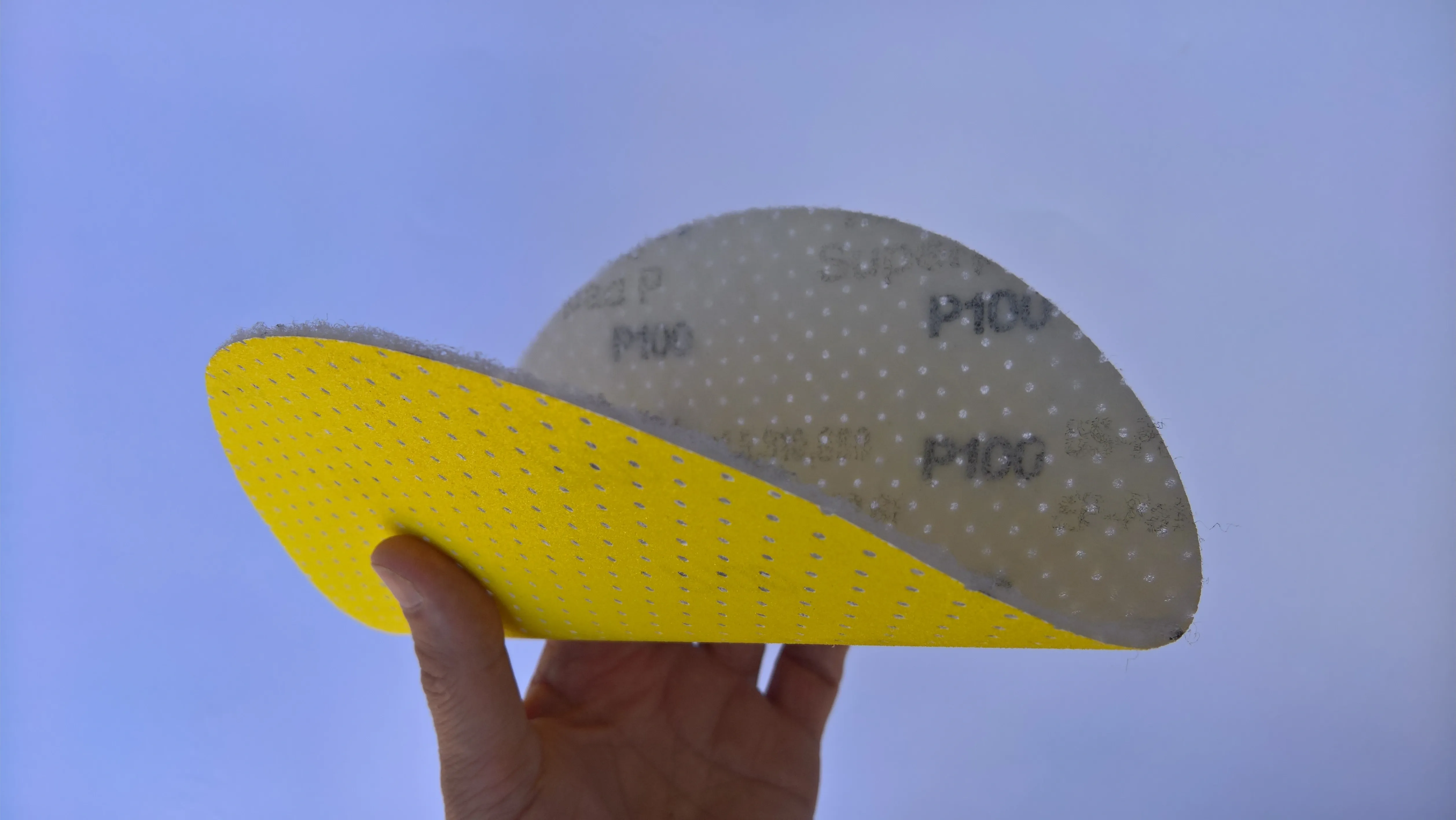
With traditional hole-pattern discs, dust extraction depends on hole alignment. Mesh abrasives allow airflow through many points, which can reduce loading when sanding primer, filler, paint, resinous wood and composite materials.
System Requirements
- A compatible backing pad that supports mesh discs without blocking airflow.
- A dust extractor with enough airflow for the sanding operation.
- Correct sanding pressure, because excessive pressure reduces extraction efficiency.
- Suitable grit and grain for the material being sanded.
Quality Criteria
Evaluate mesh strength, grain distribution, resin bond, edge durability, hook-and-loop attachment and scratch consistency. A mesh disc with weak backing or uneven coating can still fail even if dust extraction looks good.
Testing Method
Test mesh discs against paper or film discs under the same conditions. Record cut rate, disc life, surface loading, dust remaining on the workpiece and the quality of the final scratch pattern.
Saylonk Product Match
Saylonk can help buyers compare mesh abrasives with premium paper, waterproof paper and backing pads so the selected product fits the sander, extraction setup and target application.
Buyer Takeaway
The most reliable abrasive choice is made by matching grain, backing, bond, grit sequence and machine conditions to the actual material and finish requirement. For bulk purchasing, confirm performance with controlled sample testing before scaling the order.