Jul 6, 2026Product Comparisons
Cut-Off Wheel Size Guide: From 4-Inch to 14-Inch Cutting Discs
Compare 4-inch to 14-inch cut-off wheels by diameter, thickness, bore size, machine type, material and application for safer metal cutting.
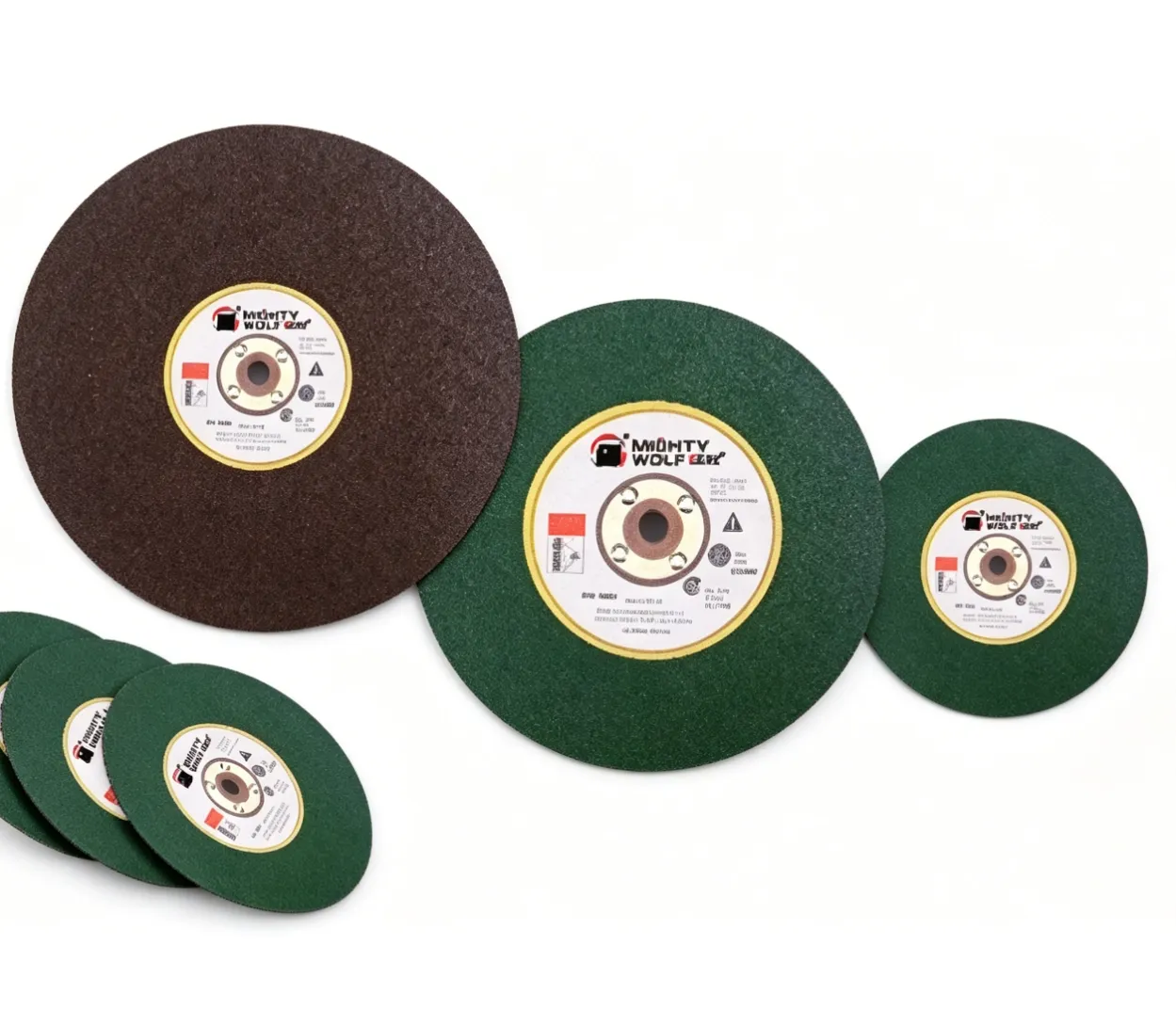
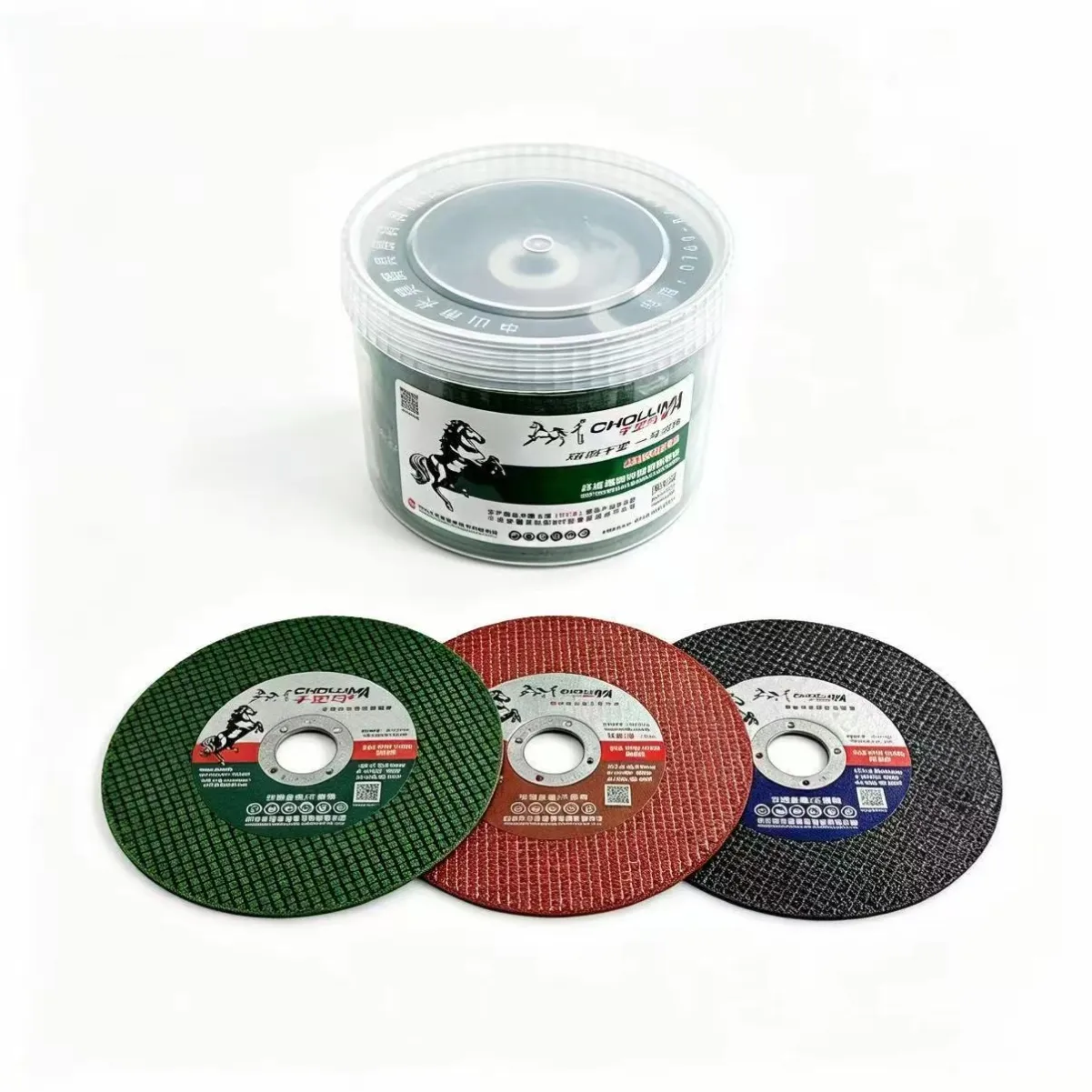
Cut-off wheel size affects cutting depth, machine compatibility, wheel speed and safety. Diameter, thickness and bore size must match the tool and the material being cut.
Diameter And Machine Fit
Small wheels are common on angle grinders for portable cutting, while larger wheels such as 12 inch and 14 inch are used on chop saws or stationary cutting machines. The wheel must match the machine guard, spindle and rated speed.
Thickness And Cutting Behavior
Thin wheels cut faster and create a narrower kerf, but they need stable handling and correct side pressure control. Thicker wheels can be more tolerant in some applications but may cut slower and generate more heat.
Safety Checks Before Use
- Confirm the wheel RPM rating is equal to or higher than the machine speed.
- Inspect for cracks, moisture damage or edge chips before mounting.
- Use the correct guard, flange and bore size.
- Do not twist, bend or side-load a cut-off wheel during cutting.
Material Matching
Choose wheel formulation by material: carbon steel, stainless steel, aluminum and masonry applications may require different abrasive and bond designs. A wheel that works well on one material may overheat, load or wear quickly on another.
Saylonk Product Match
Saylonk can support bonded cut-off wheel selection for metal fabrication, stainless steel cutting, chop saw use and distributor private-label programs with size, thickness and application matching.
Buyer Takeaway
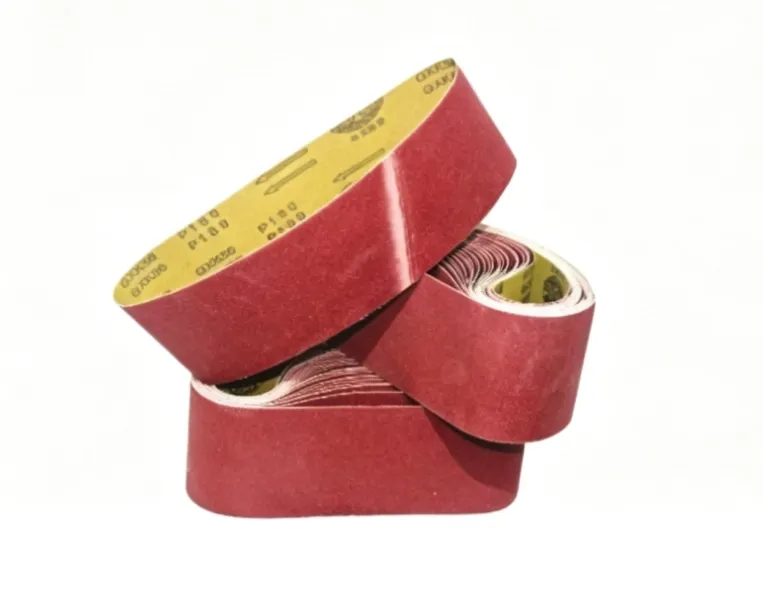
The most reliable abrasive choice is made by matching grain, backing, bond, grit sequence and machine conditions to the actual material and finish requirement. For bulk purchasing, confirm performance with controlled sample testing before scaling the order.