Jul 16, 2026Product Comparisons
A B2B Test Sheet for Comparing Abrasive Samples
Use a repeatable B2B abrasive sample test to compare cut, finish, loading, fit and consistency before approving a wider product program.
An abrasive sample should not be approved because it feels good in one short demonstration. A repeat order affects the user's process, finish quality and purchasing cost, so the sample needs a fair comparison under controlled conditions.
For distributors and importers, a simple test sheet also makes feedback easier to share with the factory. Instead of saying that one product is "better," the buyer can identify which product cuts faster, loads less, creates a more acceptable scratch pattern or fits the machine more reliably.
Record the Starting Conditions
Before testing, write down the work material, coating or substrate, machine, speed setting, backing pad, disc or belt size, abrasive grit and operator. Keep the comparison between products as consistent as possible.
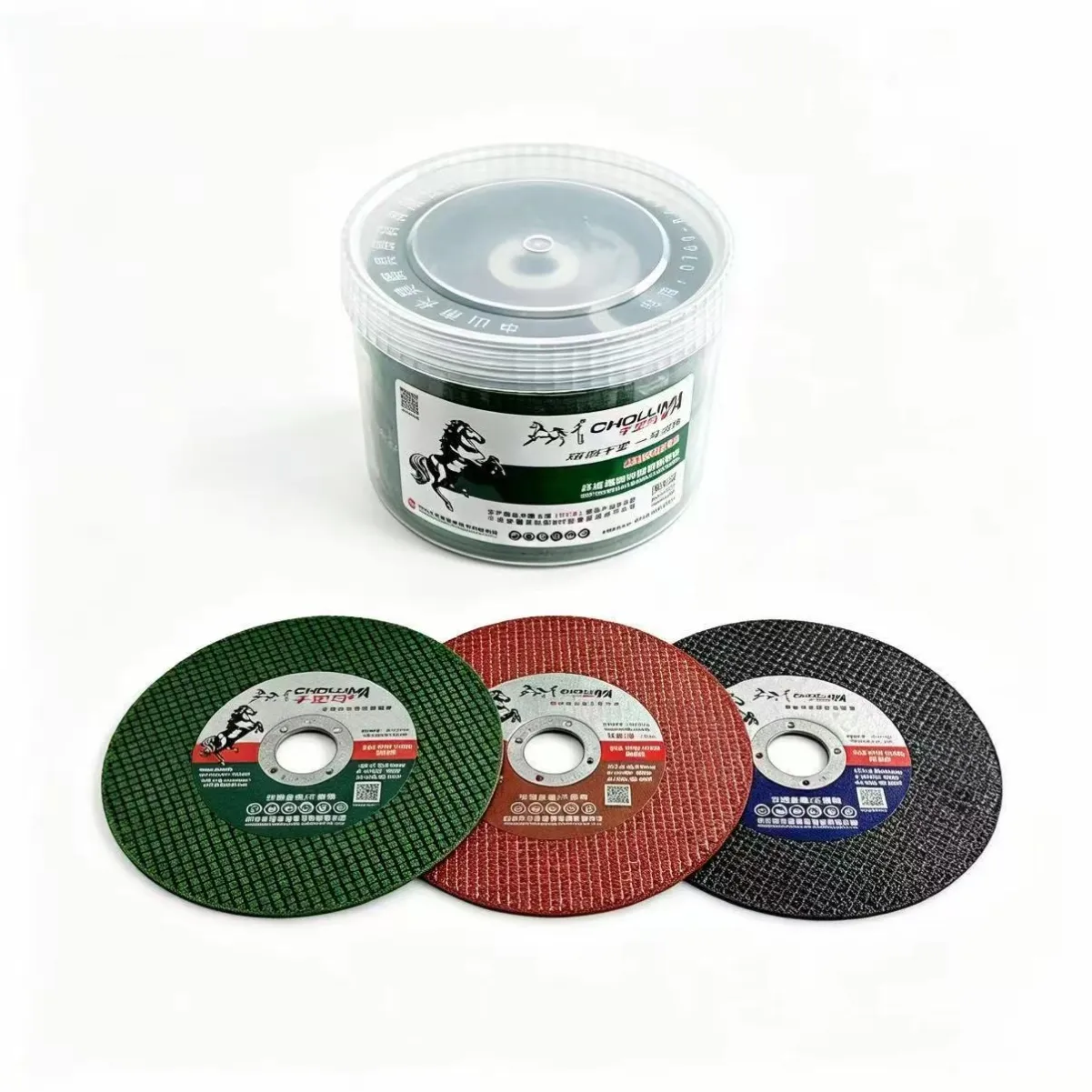
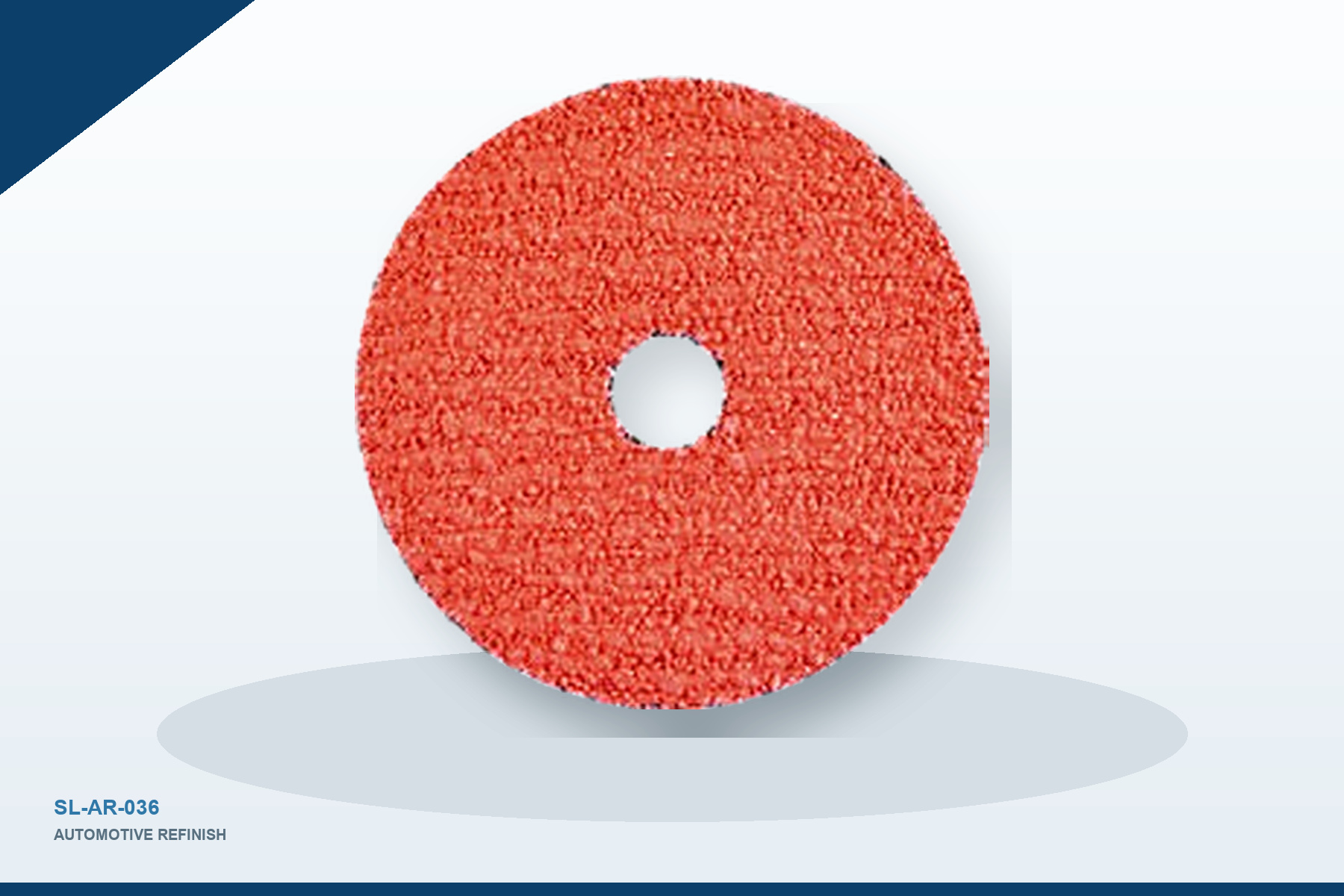
This is particularly important when comparing different product families. A ceramic vulcanized fibre disc, a ceramic sanding belt and a surface conditioning disc may all be used in metal preparation, but they do not perform the same job. The test must compare products within a realistic application, not force every format into one ranking.
Measure Removal and Finish Separately
Cut rate and finish are different results. A product that removes material quickly may leave a scratch pattern that requires a further step. A finishing product may be slower but more appropriate for blending, deburring or preparing a surface for the next coating.
Record at least two observations:
- How much work was completed in a defined time or number of passes
- Whether the resulting surface was suitable for the next process
Avoid unsupported percentage claims unless the test method, material and conditions are documented. The goal is a useful purchasing comparison, not a universal performance statement.
Check Loading, Heat and Operator Control
Loading can change the cutting behavior during a longer test. Note when the abrasive begins to fill, whether the surface becomes difficult to control and whether heat affects the workpiece or coating.
For non-woven and surface conditioning products, also check blending behavior, edge control and the uniformity of the finish. Industrial non-woven nylon scuff pads and surface conditioning discs should be assessed for the specific finish target rather than treated as direct substitutes for grinding discs.
Check Fit and Product Construction
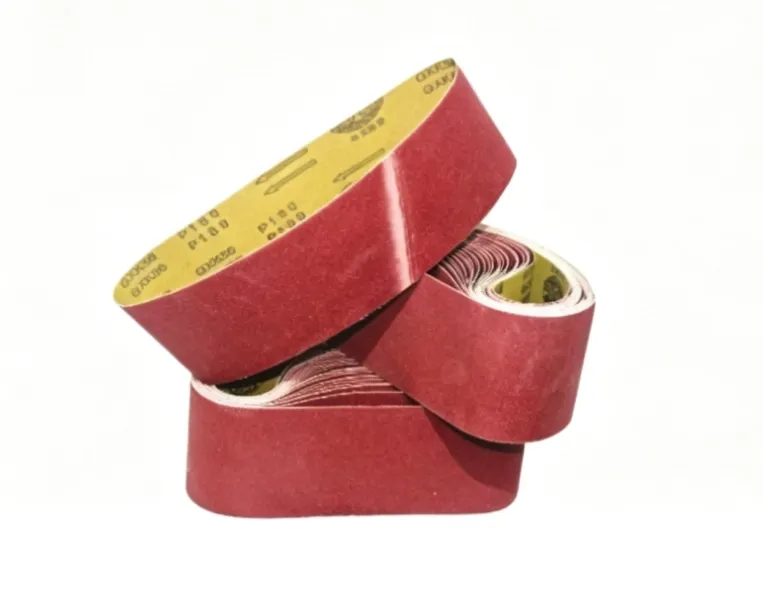
Physical fit is part of product quality. Confirm the size, attachment, belt joint or hole pattern, depending on the product format. For a sanding belt, record how it tracks and whether the joint runs smoothly. For a disc, check attachment security and backing pad compatibility.
The buyer should also review backing strength, abrasive distribution, edge condition and visual consistency across several samples. One good-looking piece is not enough to approve a repeat program.
Use a Simple Scoring Table
Each test item can be scored using the buyer's own priorities:
- Application fit: Does the product suit the intended repair or finishing stage?
- Removal or blending result: Does it complete the task at an acceptable rate?
- Surface result: Is the scratch or finish pattern suitable for the next step?
- Life and loading: Does the product remain usable during the planned work?
- Fit and stability: Does it run correctly on the actual tool or pad?
- Consistency: Do several samples behave in a similar way?
- Commercial practicality: Can the product be supplied with the required size, labeling and packaging arrangement?
The last item should be discussed after technical approval. It should not be used to hide a product that fails the application test.
Compare Mixed Product Ranges by Job, Not by One Number
A distributor may be testing fibre discs for stock removal, belts for repeat sanding, surface conditioning discs for blending and film discs for controlled finishing. These products serve different stages, so the result should be recorded as a job-based recommendation.
For example, the test conclusion may be: "Use the fibre disc for initial metal removal, move to the conditioning disc for blending, and use the film disc when a more controlled finish is required." This is more useful to a customer than naming one product as the best abrasive for every task.
How Saylonk Supports Sample Approval
Saylonk can review the buyer's material, machine, dimensions, grit, target finish and current product before suggesting a sample combination. Feedback from the test sheet can then be used to adjust the product specification or select a different format.
When requesting samples, send the application and the result you need to improve. Include photos or test notes when available. Product mix, packaging, labeling and supply details can be discussed after the technical combination has been confirmed.
Related Saylonk resources: Ceramic Vulcanized Fibre Disc, Ceramic Sanding Belt Metal Repair, Surface Conditioning Disc, Industrial Non Woven Nylon Scuff Pads, Red Film Disc, Contact Us.
For product matching or sample discussion, contact Saylonk with your material, tool, size, grit and target finish.