Jul 6, 2026Product Comparisons
Surface Conditioning Disc vs Flap Disc vs Fibre Disc: Which One Should You Use?
Compare fibre discs, flap discs and surface conditioning discs for stock removal, weld blending, rust removal, deburring and stainless-steel finishing.
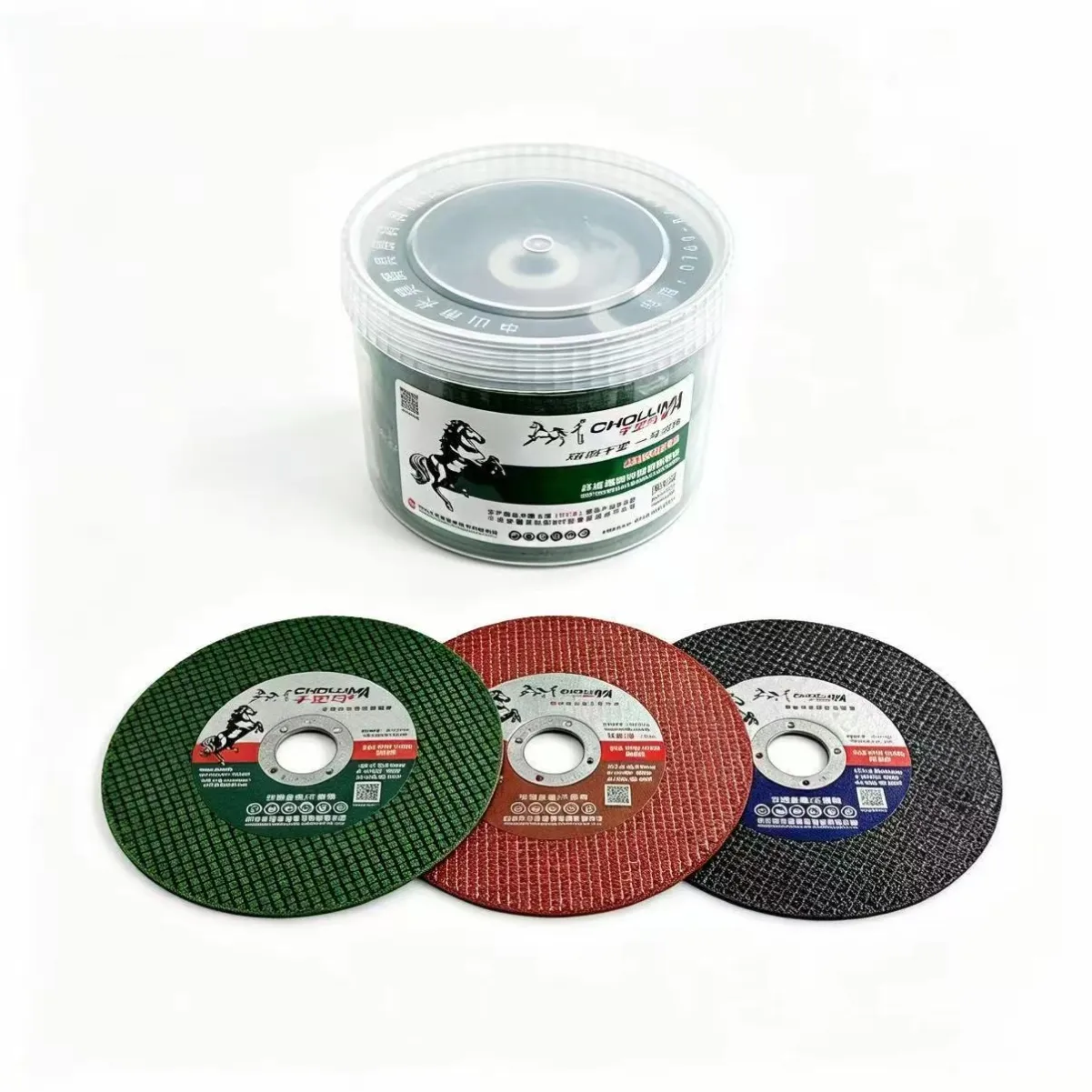
Surface conditioning discs, flap discs and fibre discs all remove or refine metal surfaces, but they are built for different stages of work. Choosing the wrong disc can increase heat, leave unnecessary scratches or slow down the finishing process.
What Each Disc Is Designed To Do
A fibre disc is normally used for faster stock removal, weld cleanup and aggressive edge work when paired with a suitable backing pad.
A flap disc combines coated abrasive flaps with a supportive structure, making it useful for blending welds, shaping edges and moderate finishing.
A surface conditioning disc uses non-woven abrasive material. It is better suited to deburring, rust removal, cleaning, satin finishing and preparing a surface without removing too much base material.
How To Choose By Application
- For heavy weld removal, start with a fibre disc or suitable grinding product.
- For weld blending and edge shaping, use a flap disc when controlled removal and a smoother transition are needed.
- For oxidation removal, pre-paint cleaning, deburring and finish refinement, use a surface conditioning disc.
Common Buyer Mistakes
Do not use a surface conditioning disc as a substitute for heavy grinding, and do not use an aggressive fibre disc where the surface only needs cleaning or final blending. Matching the disc to the stage of work reduces rework and helps protect the workpiece.
Testing Notes
Compare discs on the same grinder speed, pressure, material and contact angle. Record removal rate, heat, scratch depth, disc wear and final appearance rather than judging by initial cutting feel only.
Saylonk Product Match
For metal fabrication and maintenance programs, Saylonk can help match fibre discs, flap discs and surface conditioning products to stainless steel, carbon steel, weld blending, rust removal and surface preparation applications.
Buyer Takeaway
The most reliable abrasive choice is made by matching grain, backing, bond, grit sequence and machine conditions to the actual material and finish requirement. For bulk purchasing, confirm performance with controlled sample testing before scaling the order.