Jul 16, 2026Industry Applications
Automotive Refinish Starter Range for Abrasive Distributors
Build an automotive refinishing abrasive starter range around repair stages, product formats and sample testing instead of selecting isolated sanding SKUs.
An automotive refinishing abrasive range is easier to sell when it follows the repair process. Distributors do not need a long list of unrelated products. They need a clear group of products that helps a body shop move from surface preparation to primer leveling, spot repair and final finish preparation.
The right starter range depends on the distributor's customers, local repair habits, machine types and price structure. A useful range should therefore be built around applications first, then narrowed by format, grit, backing and packaging.
1. Cover Hand Preparation and Shaped Surfaces
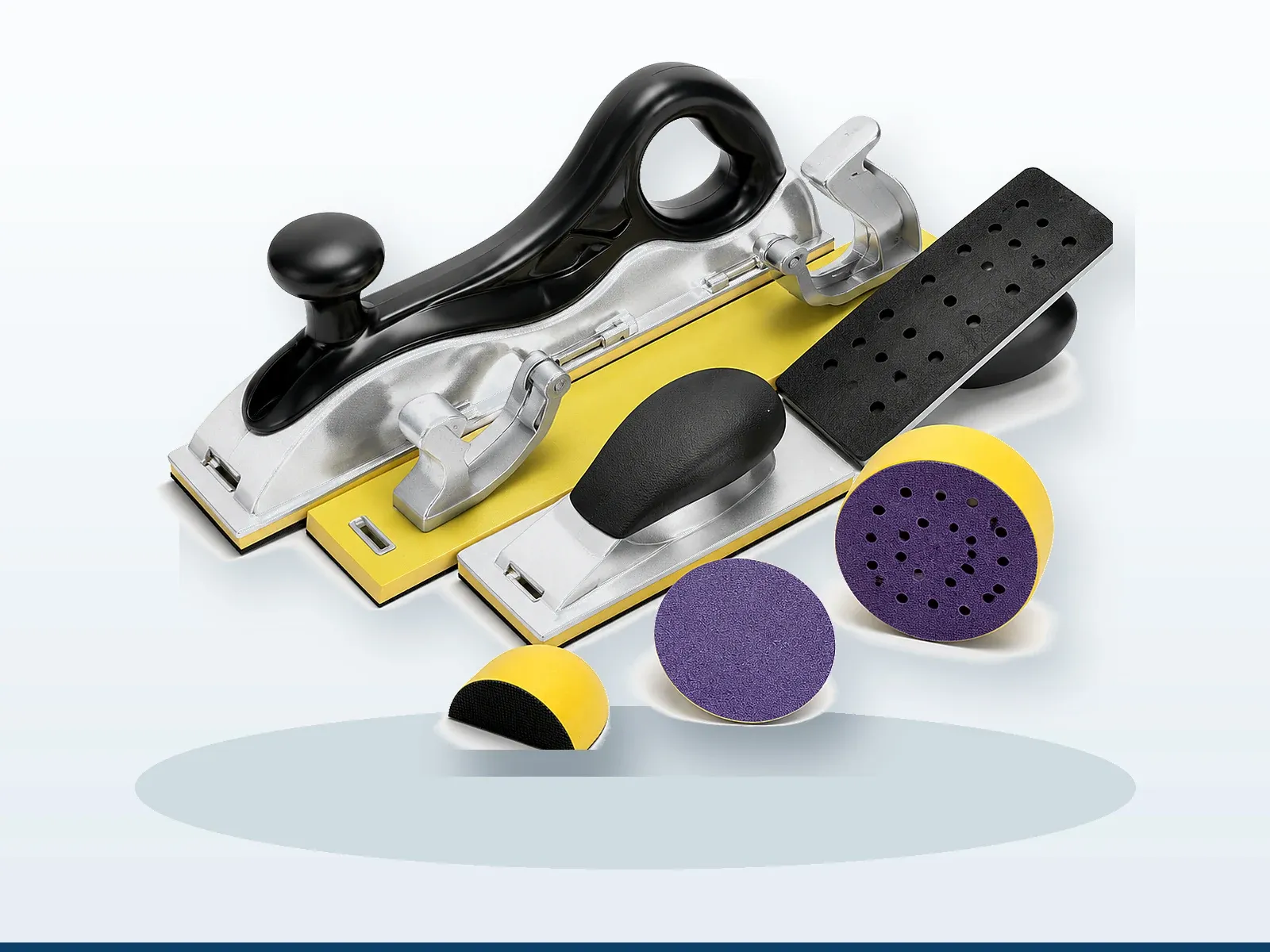
Hand sanding blocks are important for areas where a machine cannot reach or where the operator needs more control over a contour. Automotive hand sanding blocks and foam sanding products can support primer preparation, edge work and small repairs.
The distributor should confirm the block shape, flexibility, abrasive attachment and grit range. A hard block and a flexible block do not create the same contact pattern, even when the abrasive grit is similar. Showing both options helps customers choose by surface shape rather than by color or price alone.
2. Add Waterproof Sandpaper for Wet-Sanding Applications
Silicon carbide waterproof sandpaper is commonly considered for wet sanding and fine surface preparation. The range should make clear which products are intended for hand use, which backing options are available and how the grit sequence is normally evaluated.
Waterproof paper should not be presented as a universal solution for every repair step. The buyer needs to match the paper to the coating, wet or dry process, required finish and operator method. Sample sheets are useful because paper feel, cutting behavior and scratch visibility are practical selection factors.
3. Build a Disc Group for Machine Sanding and Spot Work
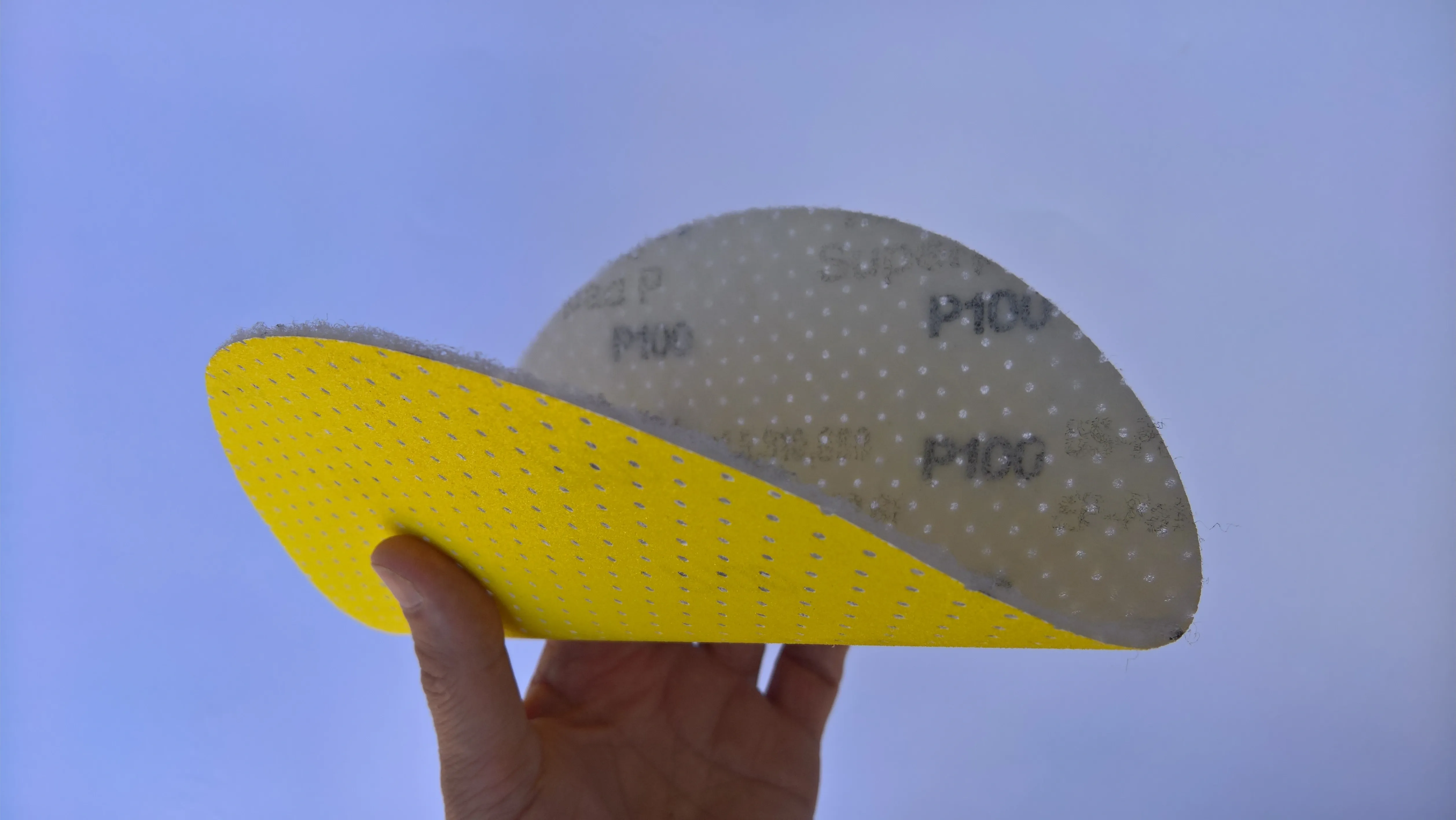
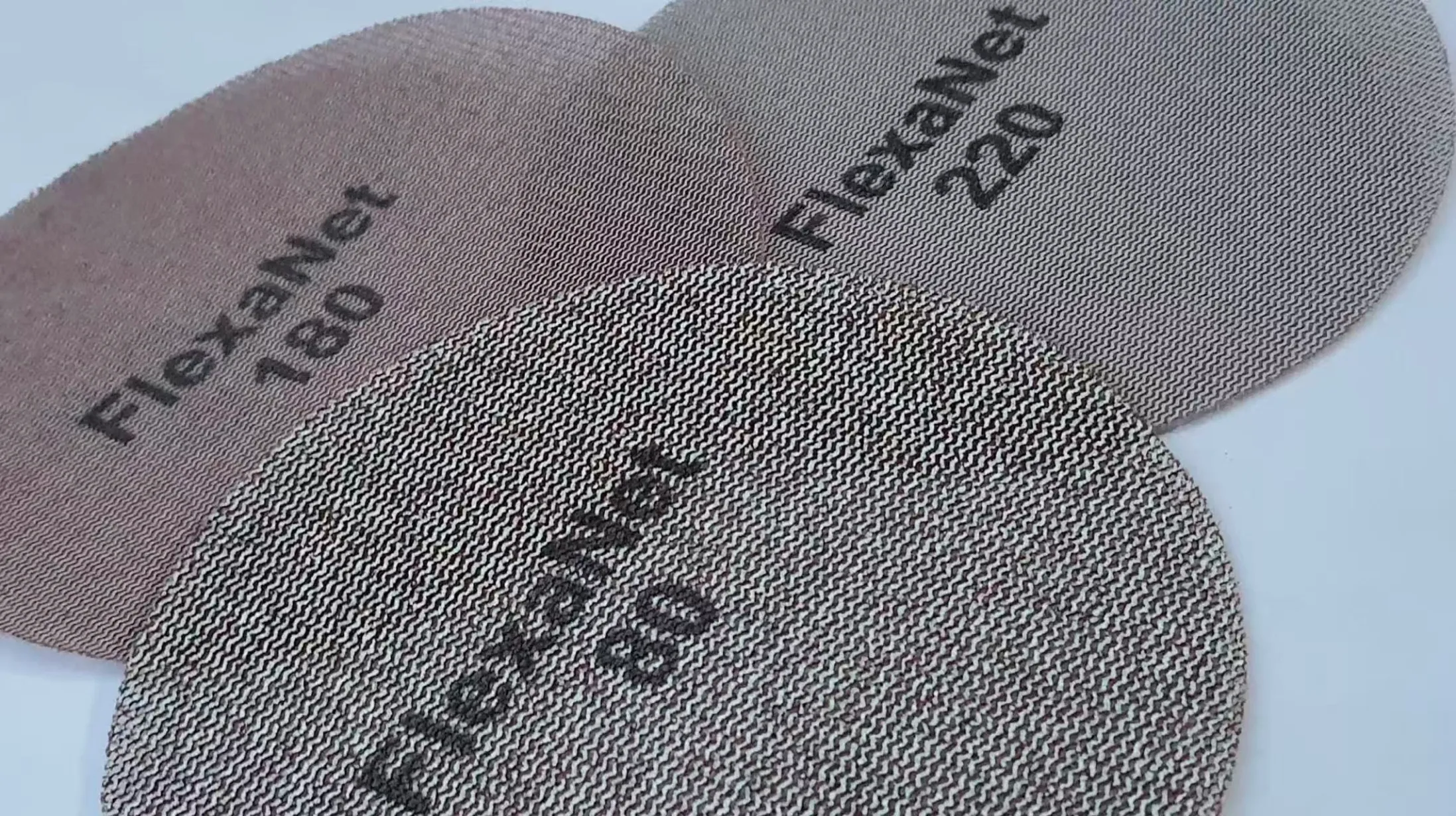
Machine sanding customers may need different disc constructions for broad panel work, spot repair and finish preparation. Automotive spot sanding discs can address small repair zones, while film, paper or mesh discs may be tested for wider surfaces depending on the machine and extraction setup.
For each disc family, the product listing should show the information a buyer needs to compare options: diameter, hole pattern, attachment, grit range, backing type and recommended application. It is better to offer a focused set of clearly explained options than a large list with no selection logic.
4. Include Interface Pads and Pad Protection
Accessories can determine whether a sanding disc performs consistently in daily use. Soft interface pads may help in controlled work on curved or sensitive surfaces. Pad saver discs may be relevant when operators change abrasive discs frequently and want to reduce wear on the backing pad.
These accessories should be presented as part of a compatible system. The distributor should check diameter, attachment, hole pattern, thickness and the backing pad used by the target customer. A sample kit that includes the disc and matching accessories is more informative than testing each item separately.
5. Support Masking and Preparation Workflows Carefully
Automotive refinishing customers may also purchase supporting consumables such as foam masking tape. This does not replace the abrasive range, but it can make the supplier more useful to a body-shop channel when the products are presented by workflow and not as unrelated additions.
The supplier should clearly separate abrasives from masking and preparation accessories. This keeps the catalog easy to understand and avoids implying that every item is manufactured for the same technical purpose.
How to Launch the Range With Less Risk
Before finalizing a distributor range, prepare a sample matrix with repair stage, surface, product format, grit, machine or hand method and evaluation result. Ask several representative users to test the same products under comparable conditions. Record cut, scratch pattern, loading, comfort, disc life and finish acceptance.
This process gives the distributor evidence for product positioning and helps remove products that do not fit the target channel. Packaging and private-label requirements can be reviewed after the product combination has been approved. The final arrangement should be discussed according to the product mix, destination market and order plan.
How Saylonk Can Help
Saylonk's automotive refinishing range is designed to help buyers discuss a complete sanding workflow, including hand blocks, waterproof sandpaper, spot sanding discs, interface pads and related accessories. The Automotive Catalog provides a starting point, while sample matching helps confirm the right combination for a particular market.
When contacting Saylonk, include the customer type, repair stages you want to cover, preferred formats and current products being replaced. This gives the supplier enough context to recommend a practical starter range rather than a generic list.
Related Saylonk resources: Automotive Hand Sanding Blocks, Silicon Carbide Waterproof Sandpaper, Soft Interface Pads Automotive Sanding, Automotive Spot Sanding Discs, Premium Foam Masking Tape, Automotive Catalog (PDF), Contact Us.
For product matching or sample discussion, contact Saylonk with your material, tool, size, grit and target finish.