Jul 13, 2026Buying Guides
Fibre Discs for Metal Grinding: A Practical B2B Guide To Backing, Grain, Pressure And Safety Checks
Fibre discs are coated abrasive products for metal grinding and surface preparation. Learn how B2B buyers should compare backing, grain, grit, pressure, backing pad fit and safety checks.
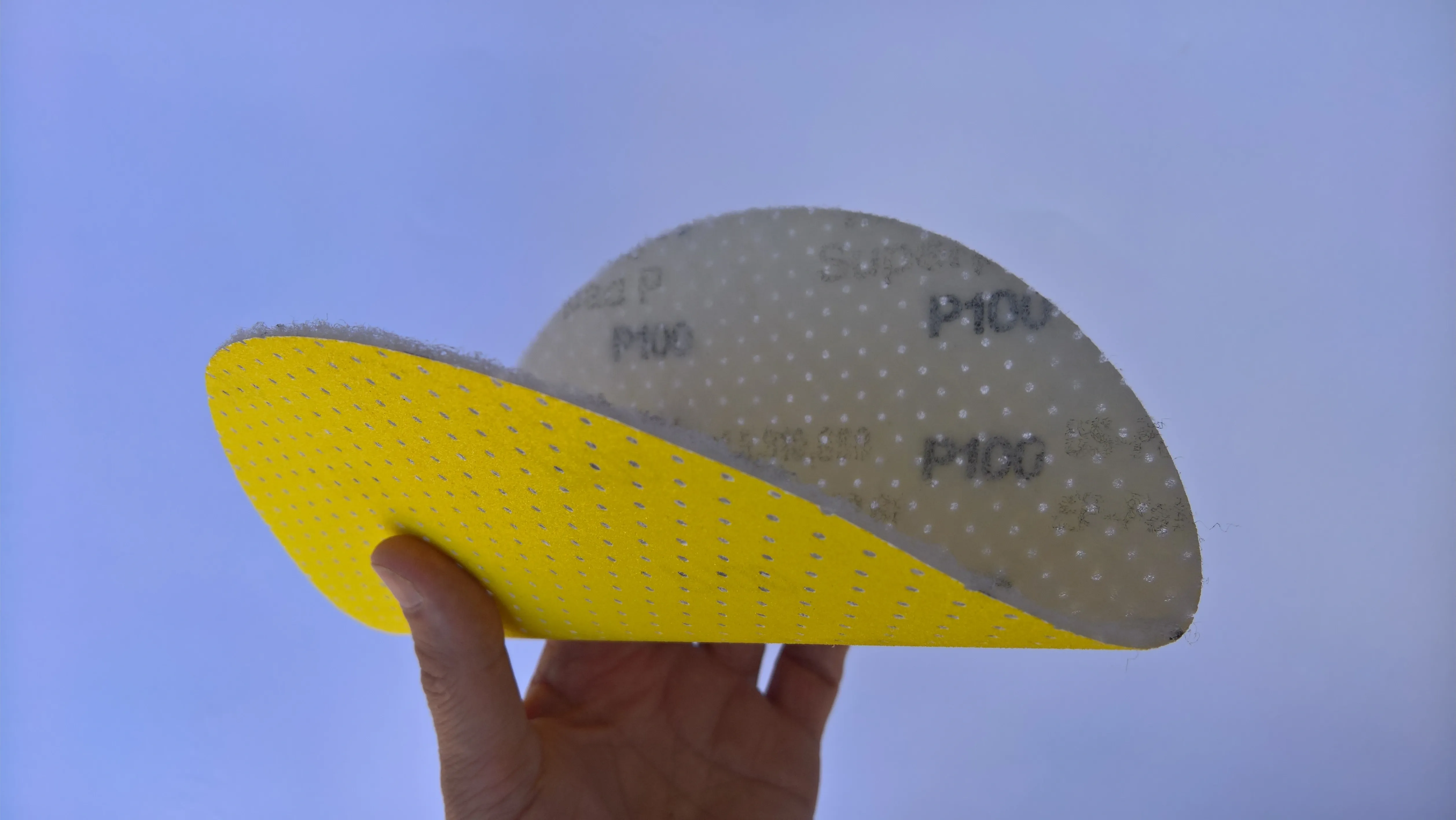
Fibre discs are widely used in metal grinding and surface preparation, but they are sometimes misunderstood in abrasive sourcing. A fibre disc is a coated abrasive product built with abrasive grain on a vulcanized fibre backing. It should not be treated as a bonded grinding wheel. This distinction matters because the product structure, backing pad requirement and working behavior are different.
For B2B buyers, fibre discs can be useful for weld preparation, metal surface cleaning, edge work, rust removal and material removal before further finishing. The final performance depends on abrasive grain, backing strength, resin bond, grit, disc size, machine setup, backing pad and operator pressure.
Why Backing Strength Matters
The vulcanized fibre backing gives the disc stiffness and support during grinding. If the backing is too weak for the work, the buyer may see tearing, edge breakdown or unstable contact. If the backing is too stiff for the application, it may feel less comfortable on certain contours or edge work.
This is why fibre disc buyers should test under real machine conditions, not only inspect the disc by hand. The backing pad, work angle and pressure will all change the result.
Grain And Grit Selection
Abrasive grain should match the material and working pressure. Aluminum oxide can support many general metalworking applications. Zirconia or ceramic directions may be considered for tougher grinding applications depending on the buyer's target market and cost-value expectation.
Grit selection should be linked to the process:
- Coarser grits for stronger material removal.
- Medium grits for surface preparation and blending.
- Finer grits for cleaner finishing before the next step.
The buyer should not approve a fibre disc only because one grit works well. A distributor product line usually needs a stable grit range and consistent labeling.
Backing Pad Fit Is Not Optional
Fibre discs need a suitable backing pad. The pad supports the disc, controls contact pressure and affects grinding feel. A poor pad match can reduce performance, create vibration, damage the disc or make the operator's work less stable.
Before confirming samples, buyers should check disc diameter, center hole, machine type, pad hardness and operating conditions. If the target customer uses different machines or pads, sample testing should include those real-use differences.
Safety And Process Checks
Fibre discs are used in demanding metalworking conditions, so buyers should consider safety and correct use as part of product selection.
Important checks include:
- Disc size and machine compatibility.
- Backing pad condition and fit.
- Suitable working angle and pressure.
- Grit and grain matched to material.
- Edge wear and disc integrity during use.
- Clear product labeling and packaging.
- Consistency between sample and production order.
These checks help reduce the chance of approving a product that looks acceptable but fails under real workshop pressure.
Fibre Disc, Flap Disc Or Cutting Disc
Fibre discs, flap discs and cutting discs solve different problems. A fibre disc is useful for metal grinding and surface preparation with a coated abrasive structure. A flap disc combines grinding and blending through layered abrasive flaps. A cutting disc is designed for cutting operations and should not be selected as a sanding or finishing product.
For a professional abrasive distributor, the stronger approach is to build a product system. Fibre discs can sit beside flap discs, cutting discs, abrasive belts, non-woven abrasives and sanding products so end users can choose by process.
How Saylonk Can Support Fibre Disc Buyers
Saylonk supplies fibre discs and related abrasive products for B2B buyers who need stable performance, practical product matching and better cost value. Our broader product range includes flap discs, cutting discs, abrasive belts, backing pads, non-woven abrasives, sandpaper and sanding discs for metalworking, automotive refinishing, woodworking and industrial finishing.
For fibre disc inquiries, we can help review workpiece material, machine type, backing pad, disc size, grit range, packaging direction and sample-testing requirements before bulk order discussion.
FAQ / Buyer Checks
Are fibre discs bonded abrasives?
No. Fibre discs are coated abrasive products on vulcanized fibre backing. They should not be classified as bonded grinding wheels.
Do fibre discs need backing pads?
Yes. A suitable backing pad is important for support, contact pressure, safety and grinding stability.
Should buyers compare fibre discs only by price?
No. Buyers should also check backing strength, grain, resin bond, grit range, pad fit, safety labeling and consistency under real grinding conditions.
Related Products and Inquiry Support
Related Saylonk pages for this topic include All Saylonk Abrasive Products, 8M8 Professional Fibre Disc, Premium Fibre Dis, Jade Dolphin Professional Backing Pad, Industrial Zirconia Alumina Flap Disc, Mighty Wolf Industrial Cutting Disc. These pages help buyers compare product families, applications and suitable sample options.
For quotation or sample matching, share your material, tool type, grit range, size, packaging needs and target market. Contact Saylonk Abrasives to confirm suitable abrasive products, OEM/private-label options and supply details.