Jul 16, 2026Industry Applications
Automotive Sanding Dust Extraction: Disc and Pad Compatibility
Learn how automotive sanding buyers can match mesh discs, hole patterns, backing pads and interface pads for a cleaner, more consistent repair process.
Dust extraction problems in automotive sanding are often blamed on the abrasive disc. In practice, the disc is only one part of the system. Hole pattern, backing pad, interface layer, machine connection and sanding pressure all affect how much dust is captured and how evenly the abrasive works.
For distributors and body-shop supply buyers, this matters because a product can look suitable on a specification sheet but perform poorly when it is paired with the wrong pad or machine. A reliable sample test should evaluate the complete sanding setup, not only the abrasive grain.
Start With the Repair Stage
The right setup depends on what the operator is trying to remove or level. Coarse correction on filler or primer needs a stable cutting surface. Finish preparation before paint needs more control over scratch depth and surface uniformity. Small spot repairs also need a format that can work around edges without removing too much material.
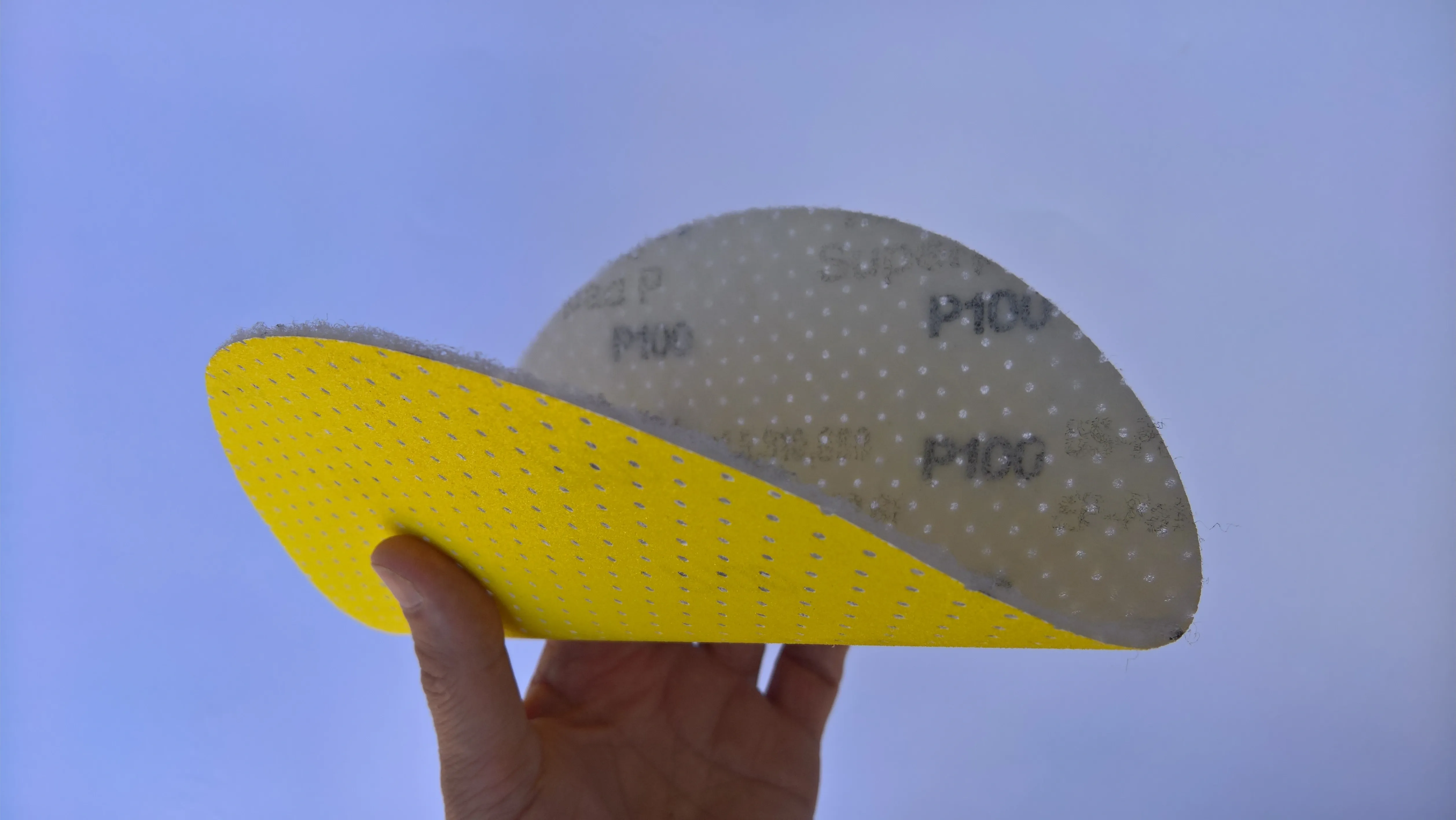
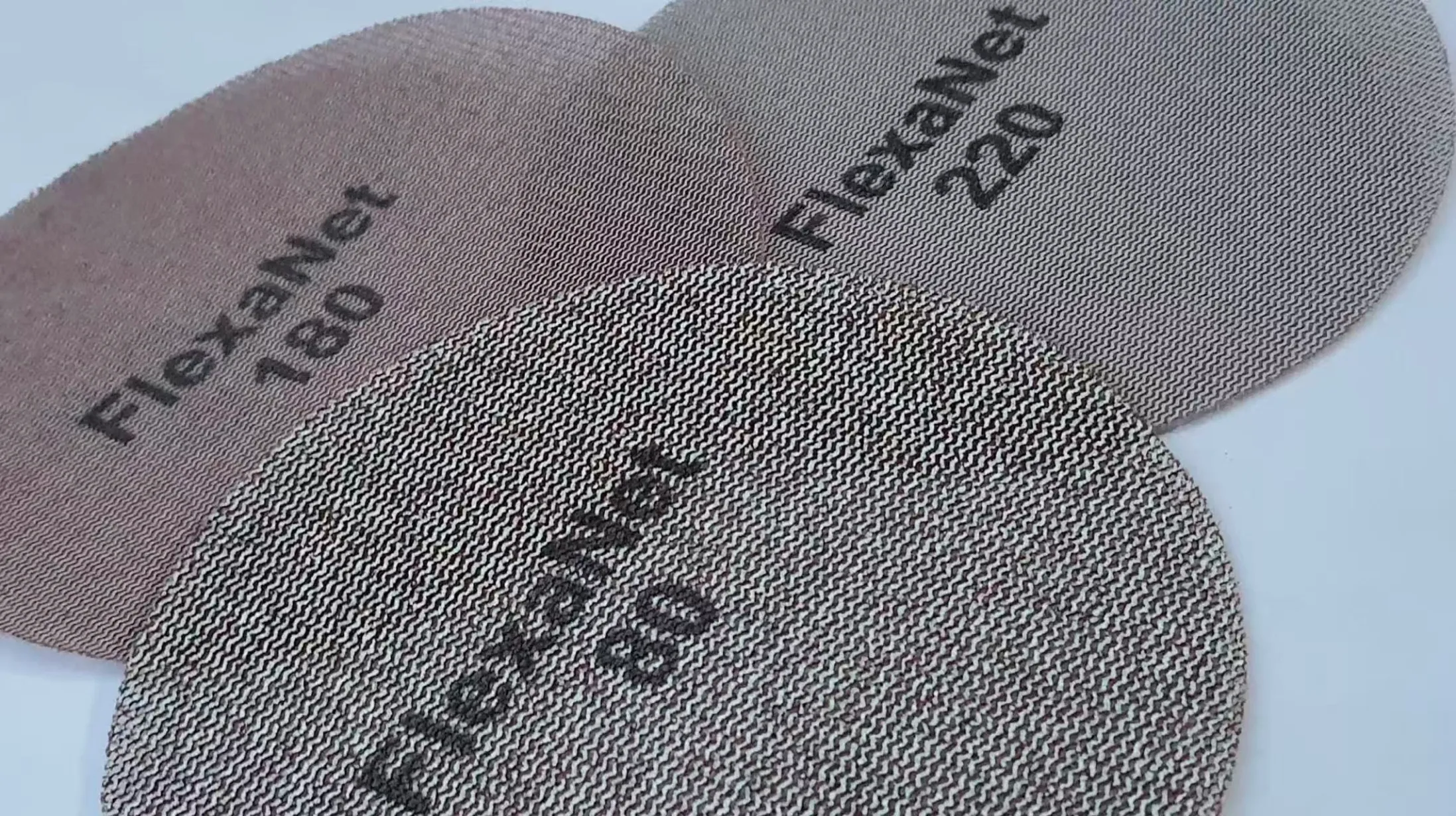
For small repair zones, automotive spot sanding discs can be tested alongside standard discs. For broader panel work, a mesh or film disc may be more suitable when the machine, pad and extraction system are matched correctly. The important point is to define the repair stage before choosing the disc construction.
Check Disc Diameter, Attachment and Hole Pattern Together
Diameter alone does not confirm compatibility. Buyers should record the disc diameter, attachment method, hole pattern and the machine or backing pad used during the test. A hook-and-loop disc with an unsuitable hole pattern may not sit correctly on the pad, while a disc with too little open area may not support the intended extraction setup.
The product should also remain stable during edge work. If the disc lifts, folds or shifts under normal pressure, the test result will not represent the abrasive itself. Record the pad model and machine orbit with every sample so the comparison can be repeated by another user.
The Backing Pad and Interface Layer Matter
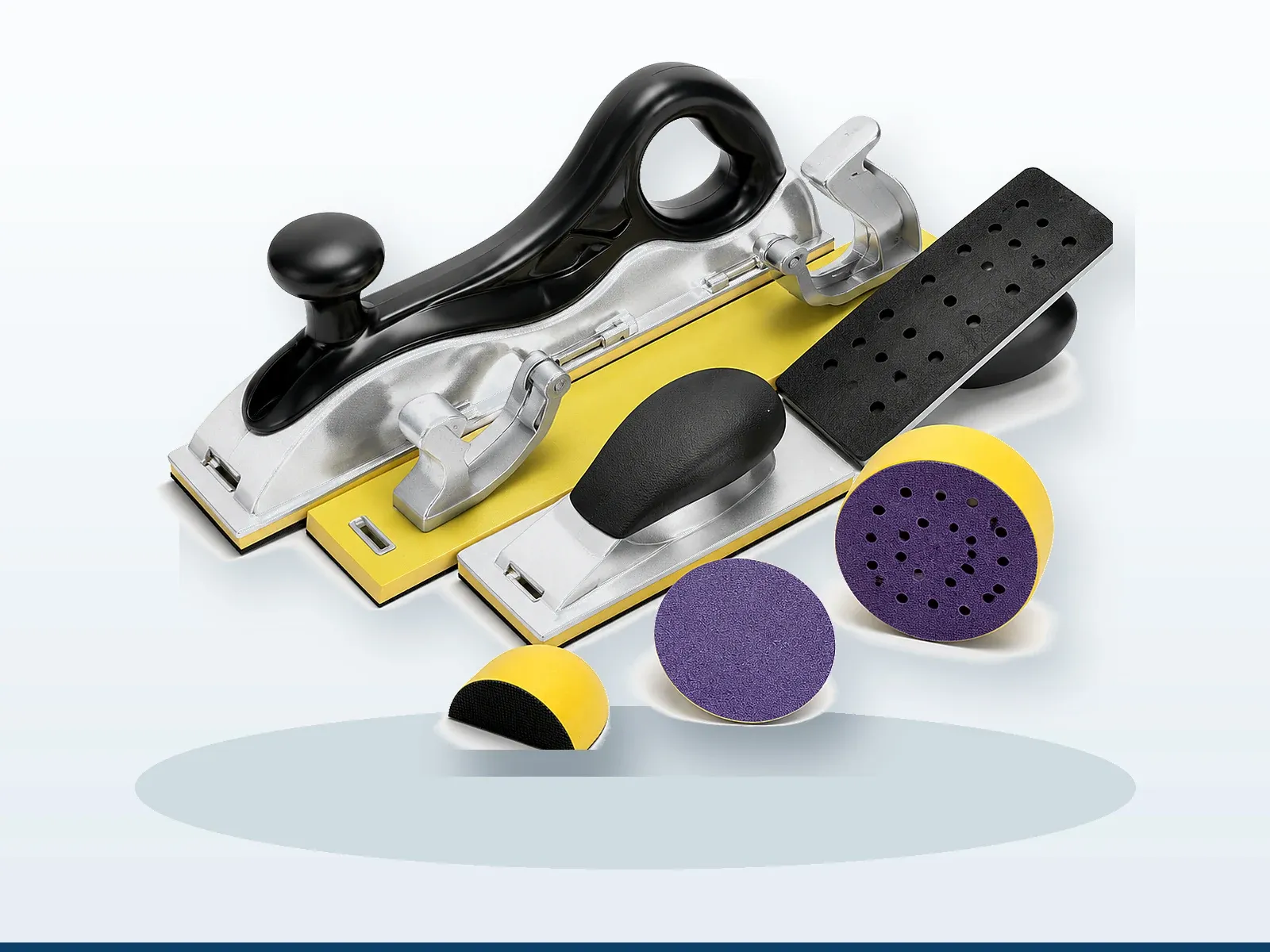
A backing pad supports the disc and transfers motion to the work surface. An interface pad can add controlled flexibility where the panel has a curve or where the operator needs a softer contact. A pad saver can help protect the backing pad during frequent disc changes, especially in high-use body-shop environments.
Saylonk's automotive sanding range includes soft interface pads and pad saver discs for buyers who want to evaluate the complete accessory combination. These parts should be tested with the actual disc, machine and surface rather than selected as unrelated add-ons.
Use a Simple Dust and Scratch Test
During a sample test, keep the following conditions consistent:
- Use the same machine, orbit, backing pad and extraction hose.
- Use the same panel material and comparable repair coating.
- Apply similar pressure and sanding passes.
- Check dust collection around the disc and the work surface.
- Inspect scratch consistency after the abrasive has been used for a defined period.
- Record loading, edge behavior, disc attachment and operator feel.
The goal is not to claim that one format is always best. It is to identify which disc and accessory combination gives the required removal rate and finish under the buyer's own process.
Questions Buyers Should Confirm Before Ordering
An automotive abrasive supplier should be able to confirm:
- Which repair stages the disc is intended to cover
- Available diameter, grit and hole-pattern options
- Whether the disc is designed for the buyer's backing pad
- Whether interface pads or pad saver discs are recommended for the setup
- How samples will be compared and approved
- Whether product, labeling and packaging requirements can be discussed for the target market
The final selection should be based on sample approval and the actual application. Order size, packaging and supply arrangements can then be discussed according to the product mix and project requirements.
How Saylonk Supports Automotive Sanding Buyers
Saylonk helps distributors and body-shop supply channels match abrasive discs with backing pads, interface pads and repair-stage requirements. Buyers can send the machine type, disc size, hole pattern, coating and target finish for a more useful product recommendation.
For a sample discussion, contact Saylonk with the current disc specification and the sanding problem you want to solve. The team can then suggest a practical test combination from the automotive refinishing range.
Related Saylonk resources: Blue Ceramic Mesh Disc, Pad Saver Discs Automotive Sanding, Soft Interface Pads Automotive Sanding, Automotive Spot Sanding Discs, Contact Us.
For product matching or sample discussion, contact Saylonk with your material, tool, size, grit and target finish.