Jul 7, 2026Abrasive Technology
Ceramic vs Aluminum Oxide Sanding Discs: Which Abrasive Grain Should B2B Buyers Test First?
Compare ceramic and aluminum oxide sanding discs for cutting speed, service life, pressure, material type, finish quality and total abrasive cost.
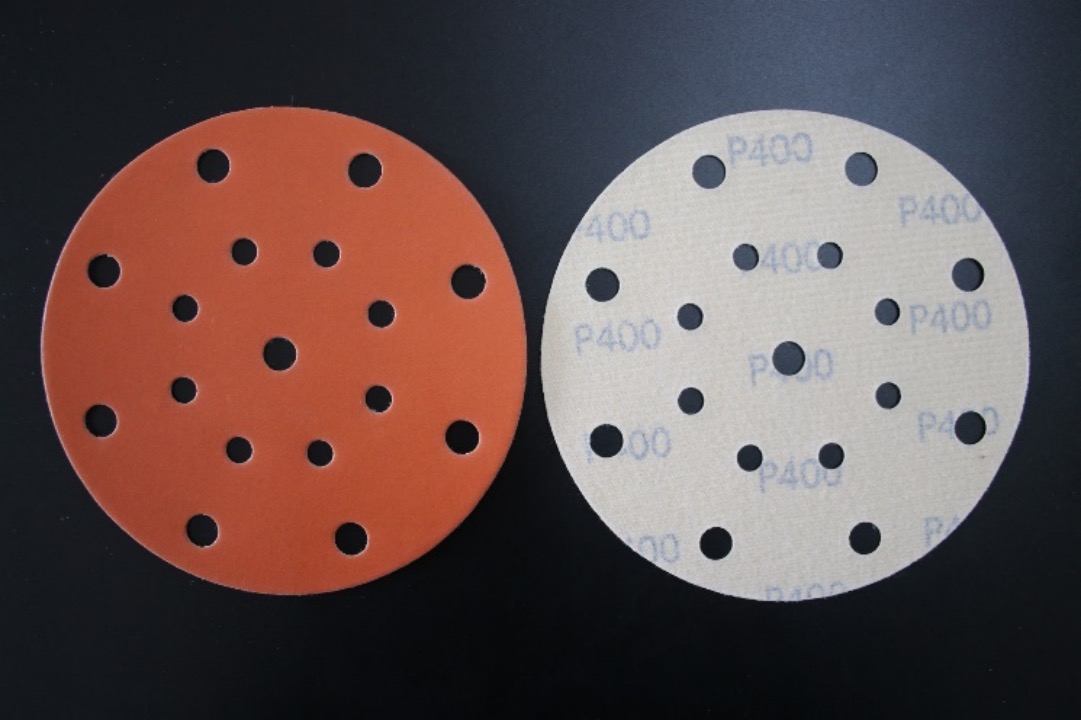
When buyers compare sanding discs, the first question is often price. But for production use, the better question is which abrasive grain creates the best result under the real working condition. Ceramic and aluminum oxide are both important abrasive grain options, but they are not used in exactly the same way.
What Makes Ceramic Abrasive Different?
Ceramic abrasive is often selected for higher cutting demand. Its grain structure is designed to keep cutting under suitable pressure, which can help maintain sanding efficiency in tougher applications.
- Faster cutting under the right pressure.
- Better performance on demanding materials.
- Longer service life in suitable applications.
- Stronger performance in higher-load sanding processes.
Ceramic is not automatically the best choice for every buyer. If pressure is too low, the machine is not suitable or the material is not demanding, the buyer may not see the full value of ceramic grain.
Why Aluminum Oxide Still Matters
Aluminum oxide remains one of the most practical abrasive grain choices for many sanding applications. It is widely used because it offers stable performance, broad application coverage and good cost value.
- General-purpose sanding performance.
- Stable quality for repeated production.
- Balanced cost and performance.
- Familiar use in wood, paint, metal and automotive preparation.
How Buyers Should Compare Them
Cutting demand
Ceramic is better for tougher or higher-load sanding, while aluminum oxide is better for many general sanding needs.
Pressure requirement
Ceramic usually needs suitable pressure to show value. Aluminum oxide can be more forgiving in many common processes.
Cost position
Ceramic may have a higher unit cost, but it can reduce total cost in the right use case. Aluminum oxide is often strong for balanced cost value.
Testing focus
Compare cut rate, heat, life, scratch pattern, clogging, finish quality and cost per finished workpiece.
Application Examples
For automotive refinishing, aluminum oxide paper or film discs can be practical for primer, paint and body-shop preparation tasks. Ceramic discs may be considered when the buyer wants stronger cutting performance or longer life in a more demanding sanding step.
For woodworking, aluminum oxide is often a common and useful choice because it provides stable sanding behavior across many wood and coating surfaces.
For metal work, ceramic can be more attractive when the application requires stronger cutting, but backing, bond, disc structure and machine pressure must be checked together.
Common Buying Mistakes
One common mistake is using ceramic abrasive in a light-duty process and expecting a major improvement. Another mistake is choosing aluminum oxide for a high-load process where the abrasive wears too quickly.
A third mistake is ignoring backing and hole pattern. Grain is important, but backing material, adhesive system, disc flexibility and dust extraction also affect performance.
Saylonk Product Match
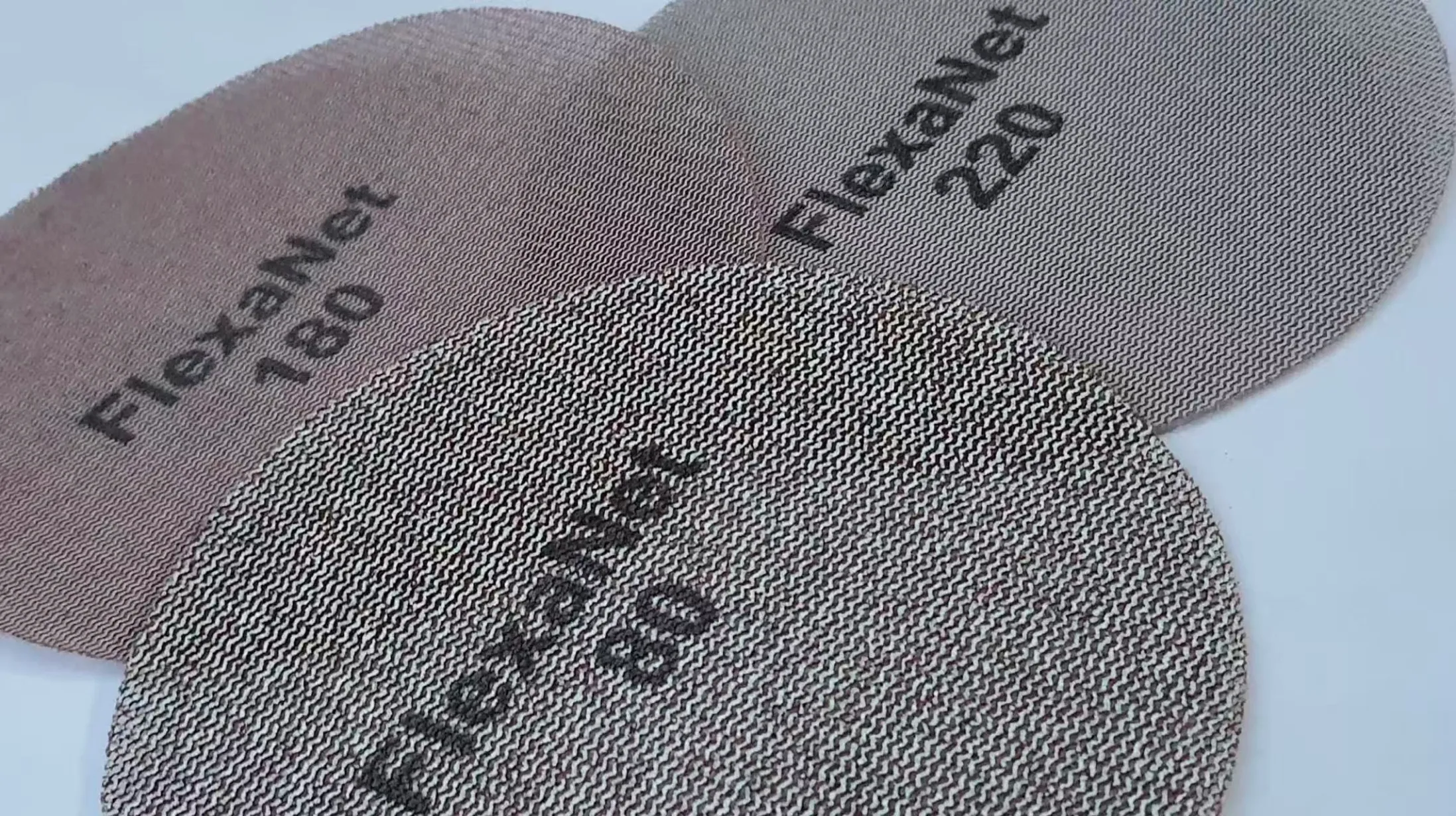
Saylonk supplies ceramic sanding discs, aluminum oxide sanding discs, silicon carbide waterproof paper, film-backed abrasives, paper-backed abrasives, mesh abrasives and related sanding products for buyers who need stable mid-to-high-end performance and better cost value.
Buyer Takeaway
If you are comparing ceramic and aluminum oxide sanding discs, send us your material, machine type, grit range and current sanding problem through www.saylonk.com. We can help match a more practical abrasive testing plan.