Jul 13, 2026Buying Guides
Non-Woven Abrasive Pads for Stainless Steel Finishing: What B2B Buyers Should Check Before Ordering
Learn how B2B buyers can choose non-woven abrasive pads for stainless steel finishing, rust removal, cleaning, deburring and surface conditioning by checking density, grain, flexibility and applicatio
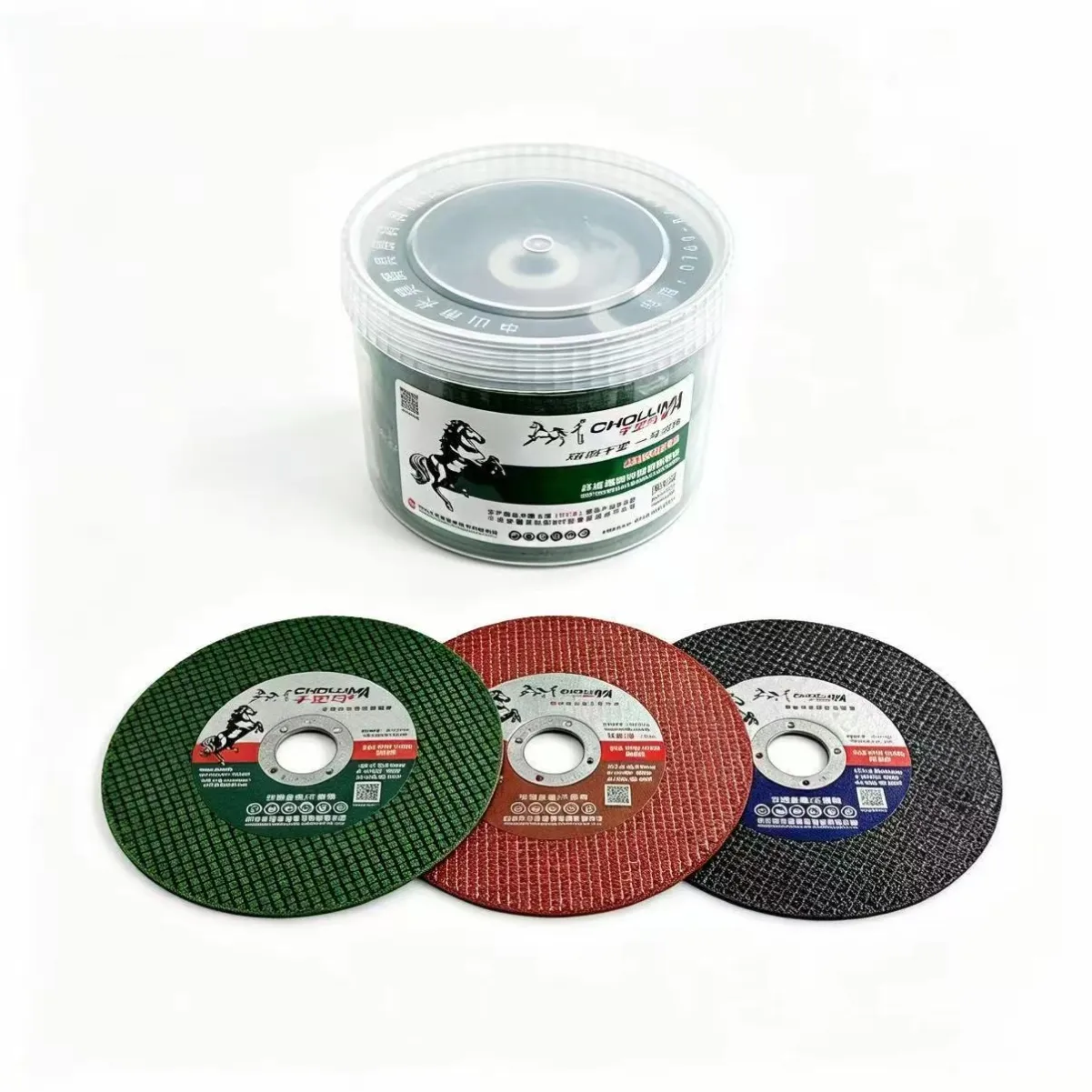
Non-woven abrasive pads are often used when a buyer needs surface cleaning or finishing without the aggressive cutting behavior of a grinding disc. For stainless steel, aluminum, general metal, painted surfaces and maintenance work, they can help remove light rust, clean oxidation, blend marks and prepare a surface for the next process.
For B2B buyers, the product looks simple, but the selection is not only about color. Pad density, abrasive grain, resin bond, flexibility, cutting feel and surface requirement all affect the final result. A pad that feels strong in hand may still be too aggressive for a fine brushed finish. A soft pad may be comfortable for cleaning but not enough for heavier rust removal.
Start From The Surface Problem
Before confirming a non-woven abrasive pad, buyers should define the real task:
- Light cleaning or more visible rust removal.
- Brushing stainless steel or blending existing lines.
- Deburring edges after cutting or machining.
- Preparing metal before coating or painting.
- Hand sanding, machine use or both.
- Fine finishing where deep scratches are not acceptable.
This step matters because non-woven abrasives are not designed to replace every sanding or grinding product. They are especially useful when the buyer wants controlled surface conditioning rather than heavy stock removal.
Why Density And Flexibility Matter
Non-woven abrasive products use an open fiber structure. This structure helps the product conform to different shapes and reduce the risk of leaving one deep linear scratch like a hard abrasive product might do.
Density affects cutting strength, service life and surface contact. A denser product may feel stronger and more durable, while a softer product can adapt better to curves, profiles and hand-cleaning work. For stainless-steel finishing, buyers should not only ask for one sample. It is better to test different grades or colors against the actual finish requirement.
Grain Choice And Finish Result
Many non-woven abrasive pads use aluminum oxide or silicon carbide depending on the product design and target application. The grain choice should match the buyer's material, pressure and surface goal.
For stainless-steel brushing, the buyer usually cares about consistency of the finish. For rust removal and general cleaning, the buyer may care more about cutting feel and pad life. For painted or coated surfaces, the buyer should check whether the pad is too aggressive and creates rework.
How To Test Non-Woven Pads Before Bulk Orders
A practical sample test can check:
- Cutting feel on the real workpiece.
- Scratch depth and finish uniformity.
- Flexibility on edges, curves and corners.
- Fiber shedding and pad breakdown.
- Rust removal or cleaning efficiency.
- Compatibility with hand use or machine use.
- Consistency between different batches and grades.
For distributor buyers, packaging format and product range are also important. A strong non-woven pad program may include hand pads, rolls, discs, wheels and surface conditioning products so customers can choose by process instead of buying only one item.
How Saylonk Can Support Non-Woven Abrasive Buyers
Saylonk supplies abrasive products for B2B buyers who need stable mid-to-high-end performance, practical product range matching and better cost value. Our product line includes non-woven nylon scuff pads, nylon wheels, surface conditioning discs, sanding discs, sandpaper, abrasive belts, sponge abrasives and related finishing products.
For non-woven abrasive inquiries, we can help review material, finish target, process stage, use method, size and packaging direction before arranging samples.
FAQ / Buyer Checks
Are non-woven abrasive pads suitable for heavy grinding?
No. Non-woven abrasive pads are better for cleaning, blending, rust removal, deburring and surface conditioning. Heavy stock removal should usually be handled by a more aggressive abrasive product.
Can non-woven pads be used on stainless steel?
Yes. They are commonly used for stainless-steel cleaning, brushing and light finishing, but the buyer should test the grade against the required surface appearance.
Should buyers choose non-woven pads only by color?
No. Color can help identify product type, but density, grain, flexibility and real surface result are more important.
Related Products and Inquiry Support
Related Saylonk pages for this topic include All Saylonk Abrasive Products, Industrial Non Woven Nylon Scuff Pads, Industrial Nylon Wheel, Surface Conditioning Disc. These pages help buyers compare product families, applications and suitable sample options.
For quotation or sample matching, share your material, tool type, grit range, size, packaging needs and target market. Contact Saylonk Abrasives to confirm suitable abrasive products, OEM/private-label options and supply details.